

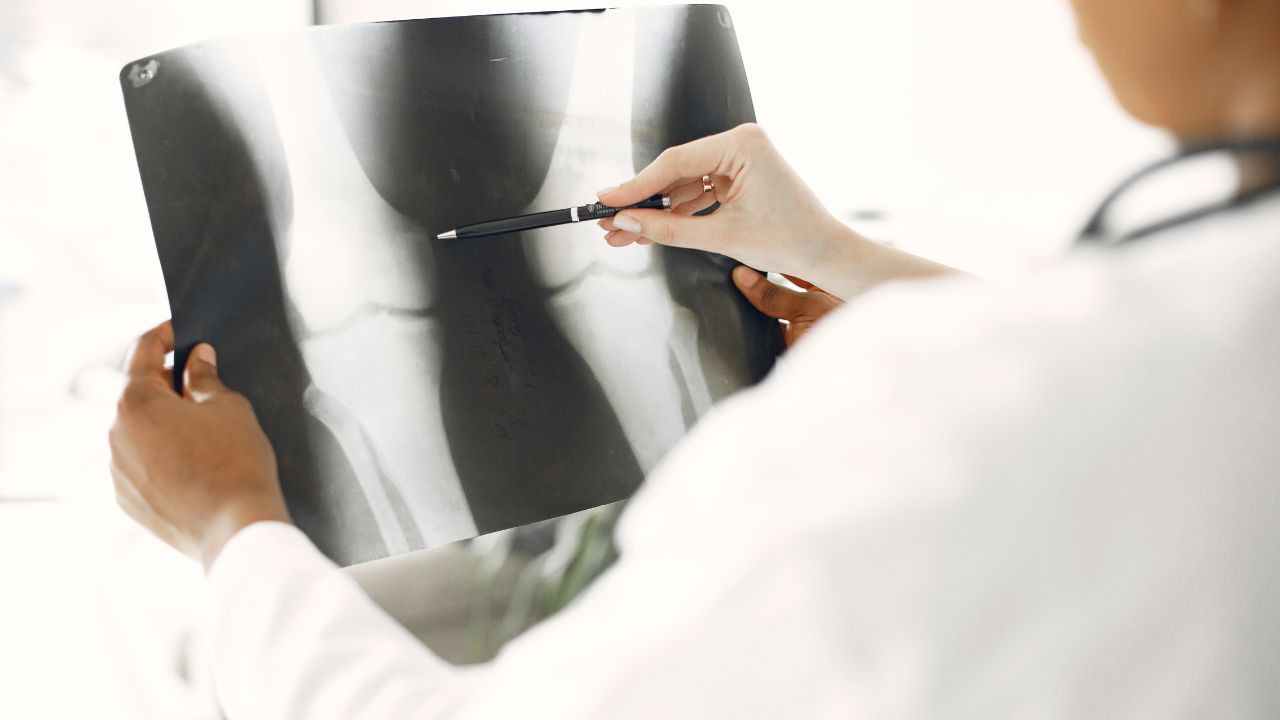
Movement breathes life into our days. From the energetic leap of a child to the steady stride of a busy nurse, movement is the core of our independence and well-being.
Every action—whether lifting groceries, playing a sport, embracing loved ones, or simply tying shoes—relies on the complex coordination between muscles, bones, joints, ligaments, and tendons. When these structures function in harmony, mobility feels effortless. However, when injury, disease, or age throws the musculoskeletal system out of balance, pain and dysfunction can dramatically reshape one's life.
That’s where orthopedic specialists step in as vital partners in restoring health and function.
Orthopedics, a medical specialty focused on the musculoskeletal system, combines science, surgical expertise, and compassionate care. In this field, providers tackle everything from life-altering trauma to subtle joint aches, creating treatment plans tailored to unique patient needs. As medicine rapidly evolves, orthopedics stands at the crossroads of tradition and technology, offering hope and mobility to millions every year.
The orthopedic body shop: Common conditions and treatments
Orthopedic medicine covers an extensive spectrum. Providers frequently encounter conditions that impact patients of all ages, backgrounds, and activity levels. Let’s examine the primary regions and the typical orthopedic care they require.
Trauma and break fixes
Bones give structure and resilience to the human body, but are not immune to sudden impact or stress. A fall from a ladder, a car crash, or a misstep on a sports field can lead to fractures requiring immediate attention. Bone fractures care becomes a race against time and complications—misaligned healing can cause chronic pain or deformity.
Typical fracture care involves:
- Diagnostic imaging, most commonly X-rays or CT scans, to identify the location and type of break
- Manual realignment (reduction) of fractured bones, performed under anesthesia as needed
- Immobilization with casts, splints, or braces
- Surgical intervention for complex fractures using hardware such as pins, screws, plates, or external frames
- Ongoing monitoring to ensure proper healing and prevent infection or delayed union
Trauma teams use advanced protocols not only to treat the break but also to restore function and prevent long-term disability. Early mobilization—with the assistance of physical rehabilitation experts—can lead to a faster and more complete recovery.
Joint health
Joints are the workhorses of the musculoskeletal system, bearing the load of daily movement and providing the flexibility that makes activities like walking, bending, and rotating possible. Over time, or in response to specific injuries, joints can become inflamed and movement painful.
Patients may seek joint pain relief for conditions such as tendinitis, bursitis, cartilage damage, or ligament sprains. Orthopedic providers deploy a toolset that includes:
- Anti-inflammatory medications or prescription pain relievers
- Steroid injections or viscosupplementation (injecting lubricating fluid)
- Physical and occupational therapy tailored to restore range of motion
- Weight management and lifestyle changes, especially for load-bearing joints
A significant subcategory revolves around arthritis management.
Osteoarthritis (degenerative joint disease) and rheumatoid arthritis (an autoimmune form) are leading causes of disability, especially in older adults. Treatment focuses on slowing joint degeneration, improving function, and controlling pain with medications, therapy, and sometimes surgical interventions.
The extremities: Specialized care
Each limb and joint presents its own unique challenges, necessitating specialized assessment and intervention.
Hip replacement options
The hip bears the brunt of body weight, and decades of use can lead to severe arthritis or fractures. Modern hip replacement options include minimally invasive approaches, robotic-assisted surgery, and a growing array of implant materials (ceramic, titanium, cobalt-chrome).
Total hip arthroplasty can transform lives by relieving pain and restoring mobility. For select patients, hip resurfacing or partial replacements may be considered to preserve more of the original bone.
Knee pain solutions
The knee’s complexity makes it vulnerable to wear and tear. From cartilage injuries in young athletes to arthritis in older adults, patients require personalized solutions for knee pain. Initial treatments often include physical therapy, bracing, and injections.
When non-operative measures fail, partial or total knee replacement can yield significant improvements. Surgical techniques have advanced, with smaller incisions and refined implants enhancing outcomes and reducing downtime.
Shoulder injuries
Among the most flexible joints in the body, the shoulder is also susceptible to dislocation, rotator cuff tears, and impingement.
Providers treat shoulder injuries with targeted therapy, ultrasound-guided injections, or arthroscopic repair—a minimally invasive technique that allows surgeons to fix ligaments, tendons, and cartilage through tiny incisions.
Hand and wrist issues
Fine motor control is crucial for everyday tasks. Hand and wrist issues—such as carpal tunnel syndrome, fractures, trigger finger, or tendon injuries—require careful intervention.
Orthopedic hand specialists may use splinting, nerve decompression, or microsurgery to restore dexterity and grip strength.
Foot and ankle treatment
Whether it’s a sprain, overuse injury, bunion, or chronic instability, lower extremity problems can make simple walking a challenge. Foot and ankle treatment can involve custom orthotics, casting, surgical stabilization, and rehabilitation programs designed to restore normal gait.
In athletes, rapid diagnosis and aggressive therapy minimize downtime and prevent recurrent injury.
Back and spine
The spine serves as the body’s structural pillar, protecting the spinal cord, so issues here can have widespread effects. Patients face spinal disorders such as:
- Herniated or degenerated discs
- Scoliosis or abnormal curvature
- Compression fractures (often related to osteoporosis)
- Nerve compression or spinal stenosis
Successful back pain relief may involve rest, guided exercise, physical therapy, and targeted injections. When symptoms persist or when neurological function is at risk, spine surgery—ranging from minimally invasive decompression to complex fusion—may be appropriate.
Modern approaches strive to minimize tissue disruption, speed recovery, and preserve motion whenever possible.
Sports and motion
Active lifestyles offer immense benefits, but also raise the risk of soft tissue injuries, overuse syndromes, and traumatic events such as ligament tears. Sports injury treatment brings together immediate care for acute injuries (sprains, dislocations, muscle tears) and long-term management of chronic problems, such as tendinopathies and stress fractures.
Key elements of sports injury care include:
- On-field assessment and acute stabilization (splinting, bracing, icing)
- Imaging to define injury extent
- Restorative therapy with athletic trainers, physical therapists, and sports medicine physicians
- Surgical reconstruction (e.g., ACL repair) when necessary
- Carefully monitored rehabilitation and return-to-play clearance
Pediatric focus
Children are not just small adults; their bones, joints, and muscles continue to grow and adapt until they reach adulthood. Pediatric orthopedics addresses skeletal disorders, including clubfoot, hip dysplasia, limb length discrepancies, and congenital deformities. Trauma to developing bones also requires specialized fracture management to prevent disrupting growth plates.
Common pediatric issues managed by orthopedic teams:
- Early intervention for congenital anomalies
- Treatment of scoliosis and growth-related spine issues
- Non-surgical or minimally invasive fracture repair
- Ongoing monitoring to support normal musculoskeletal development
The orthopedic toolkit: Procedures and technology
Technological advancement is woven through the history and future of orthopedics. The field stands out for its application of engineering principles, robotics, and biomaterials—all aimed at superior care.
Fixing the structure: Surgical mastery
Orthopedic surgery is the definitive treatment for injuries or conditions that are unresponsive to conservative care. The two most common procedures are:
- Joint replacements (arthroplasty): Surgeons remove damaged cartilage and bone, replacing them with smooth, durable artificial surfaces. Hip and knee replacements are now routine, but shoulders, ankles, elbows, and even small joints of the hand can also receive new life through prosthetic technology.
- Arthroscopy: This minimally invasive surgery utilizes a small camera and specialized instruments to diagnose and treat conditions within the joints. Procedures for meniscus tears, ligament reconstruction, or cartilage repair now require only tiny incisions, resulting in less pain and faster healing.
The evolution of techniques—such as computer navigation, patient-specific instruments, and robotic assistance—means higher accuracy, improved implant longevity, and better patient outcomes.
Modern engineering: Implants and hardware
To support or restore skeletal integrity, healthcare providers rely on a range of orthopedic implants. Plates, screws, rods, wires, and prostheses—crafted from titanium, stainless steel, or biomimetic materials—anchor bones, correct deformity, and replace worn-out joints. The surgery team tailors their selection to each patient’s anatomy, activity level, and health needs.
Remarkable advances, such as 3D printing in orthopedics, now allow for implants customized to a patient’s exact anatomy. These technologies reduce complications, decrease recovery time, and, in pediatric patients, even allow for implants that can "grow" with the child.
Recovery and strengthening: The power of non-surgical care
Surgery repairs anatomical problems, but regaining function depends on focused orthopedic therapy. Rehabilitation is central after most orthopedic interventions—especially joint replacements, ligament repairs, and fracture care. Therapists design programs targeting flexibility, strength, proprioception (balance and body awareness), and endurance.
The goal is to restore normal movement and reduce reliance on medication or invasive procedures. In some cases, patients achieve remarkable progress through physical rehabilitation alone, postponing or avoiding surgery entirely by making guided exercise and lifestyle adjustments. Rehabilitation experts work closely with patients one-on-one, closely monitoring their progress and any obstacles they encounter.
When patients face greater barriers, such as elderly individuals after hip replacement, teams may extend care into skilled nursing and even home health support to make sure the gains made in physical therapy last.
Meet the team: Healthcare professionals in orthopedics
Unraveling a musculoskeletal challenge from injury to recovery takes a team. Inside any modern orthopedic clinic, a patient meets a range of dedicated professionals, each essential to the patient journey.
Orthopedic surgeon and physician
Orthopedic surgeons are the architects of musculoskeletal wellness. They assess, diagnose, and guide both surgical and non-surgical management. With years of training, they perform complex procedures, including:
- Replacing hips
- Repairing fractures
- Reconstructing torn ligaments
- Correcting spinal deformities
Surgeons coordinate care, discuss options, leverage state-of-the-art technology, and ensure that the chosen intervention is aligned with each patient’s lifestyle and goals.
Physician orthopedists handle initial evaluations, manage chronic issues, and oversee long-term care, providing patients with a consistent medical partner throughout every stage.
Orthopedic nurse
The orthopedic nurse role is indispensable. These professionals provide compassionate care at every phase—preparing patients for surgery, calming fears, explaining procedures, and ensuring safety before, during, and after admission. Nurses provide wound care, manage pain, educate patients about cast care and mobility devices, and support family members throughout recovery.
As technologies advance, OR teams adapt rapidly—learn more in assessments of the pros and cons of OR nursing jobs.
Surgical technologist
Operating room efficiency depends on skilled technologists. A robust orthopedic surgical tech career involves preparing the sterile environment, organizing surgical instruments, anticipating the surgeon’s next need, and maintaining strict infection control.
Many specialize in particular procedures, developing expertise in joint replacements or spinal surgeries. The work environment for these essential professionals is demanding but rewarding.
The physical and occupational therapists
Recovery doesn’t end after surgery or casting—a full team of therapists steps in to restore what was lost. Physical therapists focus on rebuilding strength, function, and movement, crafting exercises and hands-on treatments to help patients regain independence. Occupational therapists address daily tasks, such as dressing, driving, or returning to work, helping patients adapt and thrive in familiar settings.
Both roles are central to a successful return to daily living after musculoskeletal trauma, surgery, or chronic disease.
Athletic trainers and physician assistants
Athletic trainers play a dual role in sports injury treatment—preventing injuries through training programs and responding rapidly when injuries occur. They provide acute care on the field, develop rehabilitation plans, and guide athletes in safe and effective recovery.
Physician assistants (PAs) also bolster care in busy practices, extending a surgeon’s reach. They perform assessments, assist in the OR, close wounds, and manage routine follow-ups.
Many healthcare jobs in orthopedics hinge on strong relationships between PAs, trainers, and physicians to keep teams running smoothly and patients progressing steadily.
Advances and innovations in orthopedics
The field of orthopedics has always pushed boundaries, blending rigorous science, mechanical ingenuity, and compassionate patient care. New treatments arrive swiftly, changing standards—and changing lives.
Notable advances include:
- Robotic-assisted surgeries enable hyper-precise placement of implants, reducing complications.
- Breakthroughs in biomaterials lead to longer-lasting, biologically harmonious implants.
- Innovations in cartilage regeneration and biologics offer therapies aimed at stimulating natural tissue growth.
- Expansion of tele-rehabilitation empowers remote monitoring and home exercise.
- The use of 3D printing custom-designs implants for rare or complex anatomy.
On the horizon, gene therapy and tissue engineering may one day allow for the restoration of cartilage and bone lost to trauma or disease. Artificial intelligence is already shaping diagnostics, surgical planning, and outcomes research.
As the field evolves, so do staffing models and professional roles. For instance, recent changes in the healthcare industry staffing reinforce the value of cross-disciplinary teams, adaptable nurses, and technology-savvy therapists, ensuring patients receive timely, coordinated care.
The impact of orthopedics on quality of life
Few medical specialties carry the same direct impact on daily life as orthopedics. Restoring a child’s ability to walk, helping an athlete compete again, or enabling an older adult to live independently—these victories underscore the vital role orthopedic teams play.
Orthopedic care:
- Reduces pain and increases function after injury or illness.
- Supports people of all ages, from pediatric patients with congenital conditions to seniors undergoing joint replacement surgery.
- Enables return to work, community, and recreation, driving both physical and mental health.
- Addresses not just acute injuries, but chronic, debilitating conditions like arthritis and osteoporosis.
The journey back to movement frequently requires time, patience, and the unwavering commitment of the entire care team. Patients can access high-quality options whether seeking advanced surgical interventions, skilled nursing, or home health services.
Pursuing a career in orthopedics
For healthcare professionals, orthopedics represents a calling that is both challenging and deeply fulfilling. Those drawn to solving complex puzzles, working with their hands, and witnessing tangible improvements in patient mobility will find rich opportunities and room for growth.
Career paths include:
- Traditional roles in surgery, nursing, and therapy
- Evolving specialties in advanced technology and biomechanics
- Opportunities to work as part of multidisciplinary teams in clinics, hospitals, ORs, and long-term rehab centers
- Openings for educators, administrators, and research scientists, as the specialty continues to evolve
Looking forward: The future of orthopedics
As populations age, the demand for skilled orthopedic professionals is expected to continue rising. Ongoing innovations promise less invasive treatments, more customized implants, and enhanced rehabilitation options. The spirit of inquiry and collaboration keeps the field dynamic, where “movement” applies as much to progress as it does to patient outcomes.
Whether you are a patient looking for back pain relief, a loved one supporting someone through hip surgery, a nurse exploring new specialties, or a student interested in biomechanics, orthopedics touches lives at every turn. This specialty isn’t just about bones and joints; it’s about people, possibilities, and a future where restored movement opens doors to fuller, richer lives.
Those ready to make a difference—by solving complex problems, supporting recovery, or keeping pace with technological leaps—will find their place at the heart of modern healthcare in orthopedics.


