

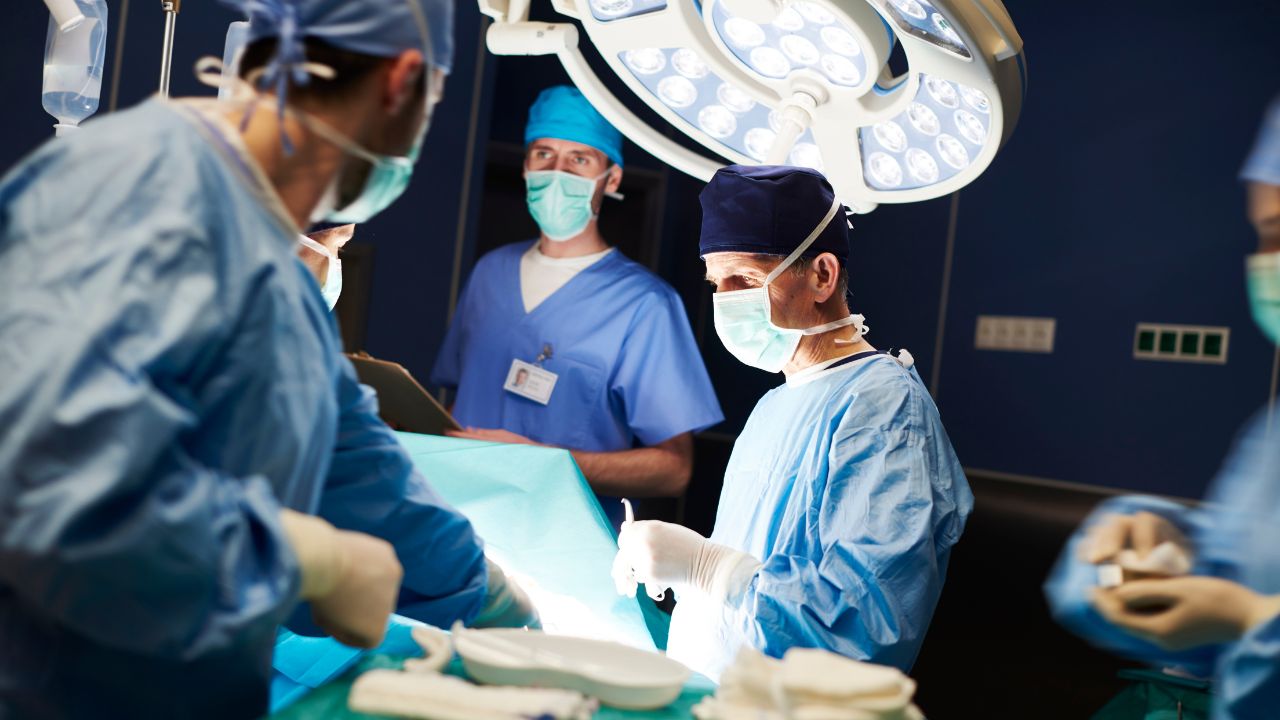
Organ transplantation represents one of medicine’s most extraordinary triumphs—a blend of science, skill, and selflessness that transforms lives.
For patients facing organ failure, it offers not just treatment, but renewal: the chance to breathe freely, move independently, and live without machines sustaining every heartbeat or breath. Behind every transplant lies a story of hope made possible by surgical innovation, coordinated medical care, and the generosity of donors whose gift extends far beyond their own lives.
This article explores how transplant surgery works, who benefits, and what recovery and life after transplantation truly mean for patients and families alike.
Organ transplant: The gift of a second chance
Every year, thousands of people around the world experience a true medical miracle—a new organ and a renewed chance at life. Picture a patient whose heart once struggled to beat, now living freely after a heart transplant, or someone finally freed from dialysis—a life-sustaining treatment managed by specialized dialysis nurses—after a kidney transplant.
These are not isolated events. They’re the result of decades of innovation, ethical care, and medical precision that define transplant surgery today.
Transplant surgery involves replacing a damaged or failing organ with a healthy one from a donor—restoring vital function and extending life. It remains one of modern medicine’s greatest achievements, combining advanced technology, surgical expertise, and the profound generosity of organ donors.
In this article, we’ll explore:
- What transplant surgery is and why it’s needed
- The types of organ transplants
- Eligibility and the waiting list process
- How to prepare for surgery
- Transplant surgery risks, recovery, and life after transplantation
Understanding the lifesaving process of transplant surgery
An organ transplant is a surgical procedure that replaces a failing or diseased organ with a healthy one to restore normal body function. It’s often the final option when other medical treatments are no longer effective—known as end-stage organ failure.
Why transplants are needed
When vital organs like the kidneys, heart, or liver fail, life becomes dependent on machines or medications. Transplants offer a permanent solution, allowing patients to:
- Live longer
- Regain independence
- Improve quality of life
Donor types
Transplants depend on donors who provide the organs or tissues:
- Living donor transplant: Donate a kidney, a portion of the liver, or a lung lobe.
- Deceased donors: Donate organs after brain or cardiac death, often saving multiple lives.
Transplants not only restore health but also demonstrate the ethical power of organ donation, turning loss into renewed life for others.
The ethics and impact of organ donation
Organ transplantation rests on principles of consent, fairness, and transparency. Ethical frameworks ensure that organs are allocated based on medical need, not wealth or influence. Strict national and international guidelines govern how potential donors are identified, how consent is obtained, and how recipients are prioritized.
Families of deceased donors often find comfort in knowing that their loss gives others a second chance at life. Living donors, meanwhile, undergo a comprehensive physical and psychological evaluation to safeguard their wellbeing before, during, and after donation.
Public education and donor-registry participation remain crucial: every registration broadens the pool and shortens waiting times for those whose lives hang in the balance.
Main types of organ transplants
Modern transplant surgery includes a range of procedures involving both solid organs and tissues. Below is a detailed summary of the major types of transplants.
Categories of transplants
- Solid organ transplants: Kidney, liver, heart, and lung—essential for survival.
- Tissue transplants: Cornea, skin, bone, or tendon—primarily improve function or appearance.
- Emerging transplants: Face, uterus, and limb transplants now redefine reconstructive medicine.
Pediatric and special-population transplants
Children, older adults, and patients with rare conditions each present unique transplant challenges.
- Pediatric recipients require organs scaled to smaller bodies, demanding precise surgical technique and long-term planning for growth and medication dosing.
- Older adults may face increased surgical risks, yet can still achieve excellent quality-of-life gains.
Specialized teams tailor immunosuppression, rehabilitation, and nutritional support to each population’s needs. Advances in pharmacology and anesthesia have expanded eligibility, allowing more patients—including those once considered too fragile—to benefit from transplantation.
Eligibility and the transplant waiting list system
Not everyone with organ failure qualifies for a transplant. Transplant eligibility is determined through a thorough evaluation involving medical, psychological, and lifestyle assessments.
Key eligibility factors
- Age and overall health: Ensuring patients can tolerate surgery
- Disease severity: Confirming transplantation is medically necessary
- Lifestyle factors: Commitment to medication and healthy habits
- Psychological readiness: Emotional resilience for post-surgery recovery
How the waiting list works
After approval, patients join a national transplant waiting list. In the U.S., this is coordinated by the United Network for Organ Sharing (UNOS) and OPTN.
Matching criteria include:
- Blood type and HLA compatibility
- Organ size relative to the recipient
- Medical urgency
- Waiting time
Pediatric and emergency cases receive special prioritization to save lives faster.
Organ preservation and transport
Between donation and transplantation, timing is everything. Each organ has a limited window of viability—about 4 to 6 hours for a heart, up to 24 hours for a kidney.
To maintain function, organs are stored in sterile, chilled preservation solutions or connected to machine-perfusion systems that circulate oxygenated fluid to keep tissues alive.
Coordinated logistics teams manage transport across cities, states, and even countries, using chartered flights or police-escorted ambulances when minutes matter. Emerging technologies now use real-time tracking and temperature sensors to monitor every step, ensuring that a donor’s gift arrives in perfect condition.
Preparing for a transplant
Preparing for transplant surgery is both a medical and emotional journey.
Medical preparation
- Complete diagnostic testing (blood work, imaging, infection screening).
- Optimize nutrition and physical strength.
- Undergo pre-surgery education on medications and recovery.
Emotional and mental readiness
Transplantation can bring stress and uncertainty. Counseling, patient education, and support groups help patients and families prepare mentally.
During transplant surgery
- Organ retrieval: The donor organ is preserved via cold storage or machine perfusion.
- Implantation: Surgeons replace the failing organ and connect blood vessels and ducts.
- ICU transfer: Continuous monitoring of organ function begins immediately post-surgery.
Each procedure demands the synchronized work of surgeons, anesthesiologists, a dedicated surgical nurse, and transplant coordinators—a true team effort representing the height of modern medicine.
Inside the transplant operating room
A transplant procedure can last anywhere from 4-12 hours, requiring absolute coordination. Multiple surgical teams often work in parallel—one retrieving the donor organ while another prepares the recipient.
The atmosphere in the operating room balances urgency with meticulous calm: surgeons connect blood vessels millimeter by millimeter, anesthesiologists manage vital signs, and scrub nurses anticipate each instrument before it’s requested.
Advanced imaging and hemodynamic monitoring guide every step, ensuring the organ begins to function the moment blood flow is restored—a moment often marked by collective relief and quiet awe.
Risks and complications
While transplant surgery saves lives, it carries inherent surgical risks and long-term transplant complications.
Common surgical risks
- Bleeding, blood clots, or infection
- Organ failure or poor graft function
- Reaction to anesthesia
- Wound healing delays
The most significant concern is transplant rejection, where the immune system attacks the new organ.
Types of rejection
- Hyperacute: Immediate immune attack (rare due to advanced matching).
- Acute: Weeks to months post-surgery, often reversible with medication.
- Chronic: Gradual scarring leading to long-term organ decline.
Prevention and monitoring
- Lifelong immunosuppressive therapy
- Frequent blood tests and biopsies
- Infection control and close follow-up
Managing long-term immunosuppression
Life after a transplant depends on the delicate balance between preventing rejection and minimizing side effects. Immunosuppressive drugs suppress the body’s natural defenses so the new organ can survive, but they also increase vulnerability to infection and certain cancers.
Modern regimens use the lowest effective doses, combining agents such as tacrolimus, cyclosporine, and steroids with newer biologics that target specific immune pathways.
Ongoing research explores gene-based therapies and personalized drug monitoring to fine-tune this balance. Patient education on medication timing, diet interactions, and infection precautions remains central to long-term success.
Post-transplant recovery and ongoing care
What happens after the transplant?
Immediate post-transplant care
After surgery, patients spend time in the ICU under the close watch of an ICU nurse for monitoring and stabilization. Key focuses include:
- Blood flow and graft function monitoring
- Infection prevention
- Gradual movement and physical therapy
Immunosuppression management
Patients take medications such as tacrolimus, mycophenolate, and prednisone to prevent rejection. Skipping doses or sudden medication changes can cause serious complications.
Psychosocial and family support in transplantation
Beyond physical recovery lies the psychological adjustment to life with a donor organ. Many recipients experience survivor’s guilt, anxiety about rejection, or difficulty resuming normal routines. Families may face emotional exhaustion after months on waiting lists and hospital stays.
Transplant social workers, psychologists, and psychiatric-mental-health nurses help patients navigate these challenges through counseling, peer-support groups, and family therapy.
Social support has been shown to improve adherence to medication and overall survival—reminding everyone involved that healing extends well beyond the operating room.
Stages of recovery
- Hospital phase: Intensive monitoring and wound healing, often transitioning from the ICU to the progressive care unit before discharge.
- Outpatient phase: Regular clinic visits and medication adjustments.
- Long-term recovery: Lifestyle modifications for sustained organ health.
Lifestyle and emotional wellness
- Maintain a balanced diet and healthy weight.
- Avoid infections and stay vaccinated.
- Seek emotional support through transplant support groups or therapy.
Success rates, outcomes, and medical innovations
Transplant success rates (global averages)
- Kidney Transplant: ~95% 1-year survival; ~70% at 10 years
- Liver Transplant: ~85–90% 1-year survival
- Heart Transplant: ~85% 1-year survival; 50–60% at 10 years
- Lung Transplant: ~85% 1-year survival with growing improvements
What influences outcomes
- Donor compatibility
- Surgical expertise and hospital volume
- Patient adherence to medication and lifestyle guidelines
Emerging innovations
Some emerging innovations include:
- Robotic and minimally invasive surgery: Faster recovery, smaller incisions
- 3D bioprinting: Creating tissues and organs from patient cells
- Xenotransplantation: Using animal organs as temporary or permanent solutions
- Machine perfusion systems: Keeping organs viable longer during transport
- Regenerative medicine: Integrating stem cell therapy to reduce rejection
Leading global and best transplant hospitals—such as the Mayo Clinic, Cleveland Clinic, and King’s College Hospital—are pioneering these advancements.
Global perspectives and organ-donation disparities
Access to transplant care varies widely worldwide. High-income nations often have structured donor registries and specialized centers, while low- and middle-income regions face shortages of both donors and infrastructure. International collaborations, such as shared organ-exchange programs and global donor registries, aim to bridge these gaps.
Education campaigns, cultural sensitivity, and ethical governance are key to expanding donation rates. Strengthening systems globally could save hundreds of thousands more lives each year and ensure that transplantation’s benefits extend across borders.
The future of transplantation: Toward regeneration
Researchers are re-imagining transplantation through regenerative medicine—growing or repairing organs using a patient’s own cells. 3D-bioprinted tissues, lab-grown kidneys and livers, and xenotransplantation breakthroughs promise to reduce reliance on donor organs altogether.
Scientists are also exploring tolerance-induction therapies that retrain the immune system to accept transplanted tissue without lifelong drugs. As these innovations progress, the dream of fully personalized, rejection-free transplantation moves closer to reality.
Life after transplant: Living fully again
Receiving a new organ is both a medical and emotional rebirth. Aided by thorough patient education, patients often describe life after transplant as a blend of gratitude and responsibility.
Living a healthy life
- Take all medications as prescribed.
- Maintain routine medical checkups.
- Eat a heart-healthy diet and exercise moderately.
- Protect against infections with good hygiene and vaccines.
Emotional recovery
Adapting to a new normal takes time. Many patients benefit from counseling, sometimes with a psychiatric-mental health nurse, or joining peer support networks that offer encouragement and shared experiences.
Honoring donors
Behind every successful transplant is a selfless donor. Expressing gratitude and supporting organ donation awareness helps ensure more lives are saved.
Hope, healing, and the power of generosity
Organ transplantation stands as a testament to both scientific progress and human kindness. Each successful transplant represents a miracle of coordination—between doctors, donors, and patients—giving the ultimate gift of a second chance at life.
As innovation continues through regenerative medicine and bioprinting, the future of transplant surgery promises to be even more hopeful, precise, and compassionate.


