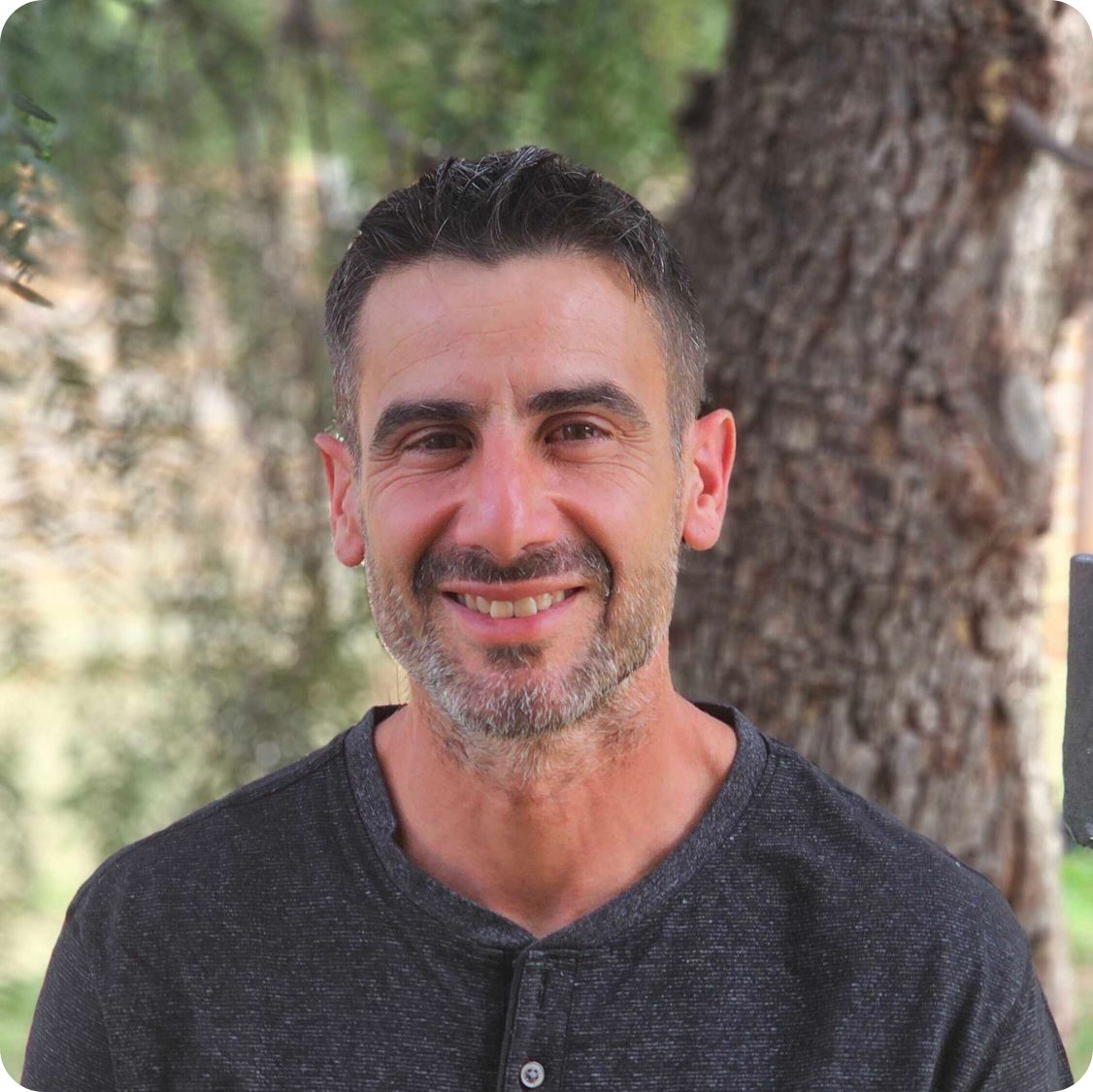
Modern male nurses are doing their best to sustain productivity and positive patient outcomes while still maintaining a sense of self-identity.
Outdated views on facial hair are colliding with a growing number of male nurses who see it as integral to their identity, cultural practices, religious beliefs, and health.
In this article, we will explore the question “Can a nurse have a beard?” and how today’s medical industry is moving away from the dogmas of facial hair and embracing modern male nurse autonomy.
History of nurse grooming, from military to modern
Today’s modern healthcare system has come a long way from the days of Florence Nightingale and the Crimean War (1853–1856). Then, deficiencies in medical care and basic sanitation were highlighted by the death of soldiers from disease rather than injuries sustained in battle.
A Royal Commission was established, which included Florence Nightingale and Dr. Edmund Alexander Parkes, 2 key figures in the transformation of the medical industry. Their findings would spearhead the reform of medicine into a military-style practice, where hygiene, dress code, and sanitation became priorities.
In today’s modern medical landscape, healthcare facilities have become more lenient toward tattoos, piercings, and various hair colors.
Yet some male nurses are still in the dark when it comes to their rights regarding facial hair, so let’s explore the rules and regulations.
Medical exemptions for male facial hair
Some men suffer from pseudofolliculitis barbae (PFB), also known as razor bumps. It is an inflammatory condition where facial hair curls back and re-enters the skin after shaving, which can lead to health complications.
Male nurses who suffer from PFB can obtain a medical exemption using the following steps.
Securing a clinical diagnosis
- Traditional in-person evaluation: Affected nurses should schedule an appointment with a dermatologist to have the affected areas examined thoroughly.
- Modern telehealth option: Nurses can use specialized health platforms such as DocBright to submit photos and a medical questionnaire to obtain their waiver.
Ensuring correct waiver information
- Specifying the medical condition: Be sure that your waiver includes the specific diagnosis of pseudofolliculitis barbae.
- Length of facial hair: Note the recommendations of the medical practitioner regarding a safe length of hair and the recommended apparatus for grooming.
- Waiver duration: Have the doctor specify the waiver's validity period and whether you need a follow-up consultation within 6–12 months.
Submitting your waiver to HR
Formally request a medical accommodation for your condition. Outline the available treatment options and your commitment to comply with the facility's hygiene protocols.
Title VII religious accommodation for beards and male nurses
Title VII of the Civil Rights Act of 1964 protects employees from discrimination based on 5 specific characteristics: race, color, sex, national origin, and religion.
Male nurses who practice Sikhism, Islam, Judaism, Pentecostalism, Messianic Christianity, and Rastafarianism have the right to ask for a religious exemption from shaving.
In 2023, the U.S. Supreme Court changed the definition of undue hardship in the case Groff v. DeJoy. The ruling meant that, for employers to refuse a religious accommodation, they had to demonstrate that it would incur a high cost to their organization.
Before this ruling, employers could reject an employee's religious request, even if the cost was minor.
Medical facilities must now provide an employee who has a religious exemption for facial hair with an alternative to an N95 mask, such as a powered air-purifying respirator (PAPR).
Patient perspective: Does a beard affect a patient's trust?
Beards need to be kept clean and groomed to avoid looking scruffy or unprofessional. Personal appearance and hygiene will influence a patient’s opinion.
Whether you have a beard for religious, cultural, or medical reasons, good personal hygiene is essential.
Male nurses with a well-hydrated, shiny, and well-trimmed short beard can appear as professional as clean-shaven nurses.
FAQ: Male nurses and facial hair
Learn about barbering for nurses and how to maintain a "low-profile" clinical beard.
1. What are N95-compatible beard styles?
There are many mustache styles for male nurses that are N95-compatible, such as the pencil, zorro, and painter’s brush.
However, beards break the N95 seal and do not comply with industry standards, rendering all beards non-compliant.
2. Can my manager pull me from the floor for a "scruffy" look?
The short answer is yes. Depending on your facility’s protocols on professional appearance or dress code policy, your manager may well be within their rights to remove you from the facility floor and possibly send you home.
3. Does my hospital have to provide a PAPR if I have a medical waiver?
The answer is yes for the most part. While technically not a right per se, the PAPR for bearded nurses is a “reasonable accommodation” for male nurses who have filed the appropriate paperwork and have a medical or religious exemption for facial hair.
4. Can a bearded CRNA work in a level 3 surgical suite?
Yes, a bearded nurse can enter a level 3 surgical suite as long as cleanliness is maintained and the beard is properly covered before entering.
5. How can I maintain a "low-profile" clinical beard?
The standard length of a beard should be approximately ⅛ inch to ½ inch, to not only look clean and deliberate but also accommodate any surgical mask or beard covering that needs to be worn.
Using a shaver with a #3 or lower shave guard should be sufficient to keep your beard at the length you require. Don’t forget: keeping your neckline neat and trimmed enhances your professional appearance.
Male nurses and the future of facial hair in the workplace
As more men enter the nursing workforce, they will exert greater influence on workplace policies governing facial hair.
In the meantime, the best way to ensure your comfort is to know your rights and file for the appropriate medical or religious exemption.
Maintaining a clean, trimmed beard is the best way to look professional while performing your duties to the best of your abilities.
Sources: