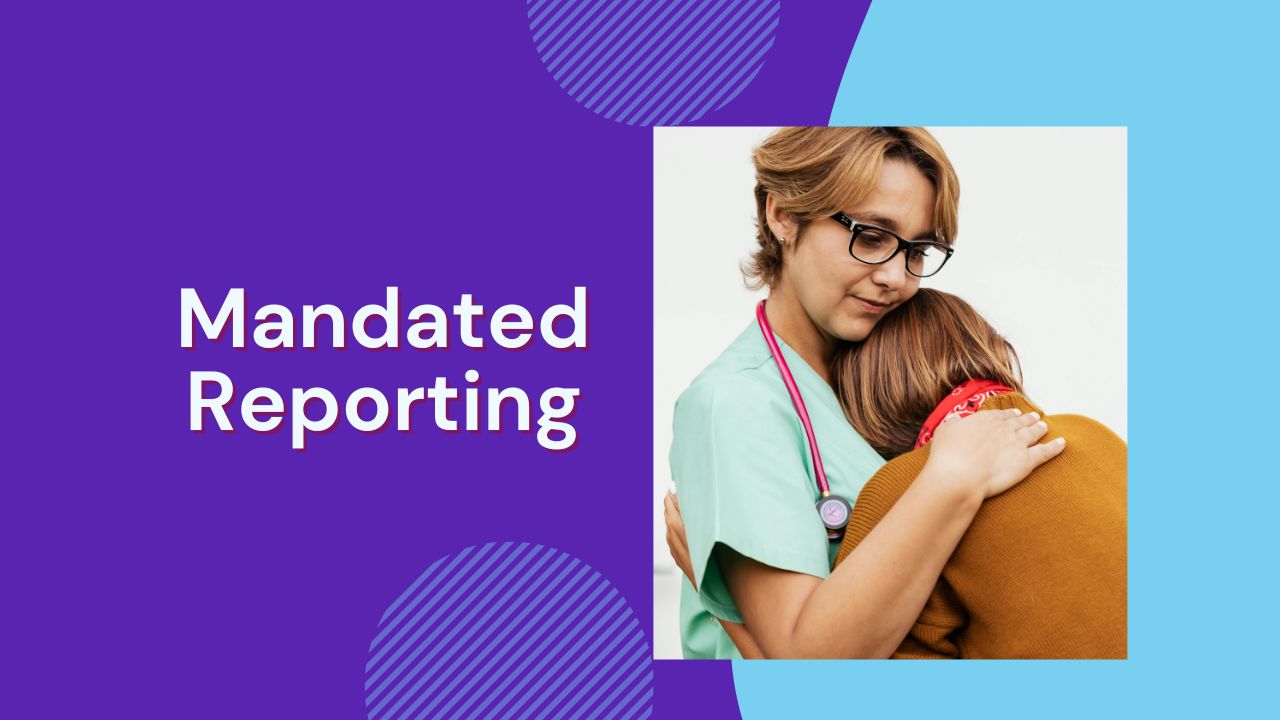
Yes, nurses are mandated reporters in all U.S. states.
So what exactly does it mean to be a mandated reporter? In the healthcare system, there are few responsibilities as critical as protecting vulnerable people. Nurses can protect these people by becoming familiar with the signs of abuse and acting swiftly.
If it sounds like it’s a big responsibility, it’s because it is. Nurses are responsible for being familiar with child abuse reporting and with elder or dependent adult abuse reporting.
In fact, failure to report abuse to authorities could lead to disciplinary action in some states.
A nurse shouldn’t feel intimidated or discouraged from reporting abuse, and for these reasons, it’s vital to understand what the legal responsibilities of nurses are when it comes to this process.
Note: It’s extremely important to check with your state-specific nurse reporting laws to understand how mandated reporting works in the state you practice. Below is only a general summary of how mandated reporting works for nurses across the nation.
What are nurse-mandated reporting requirements?
Mandatory reporting laws focus on vulnerable populations, specifically children and vulnerable adults who could be subjected to abuse.
If you, as a nurse, have a reasonable suspicion that someone in this population is being abused, you need to report it.
This legal obligation to report abuse applies to all medical facilities, such as hospitals, long-term care facilities, home health agencies, schools (especially school nurses), and outpatient clinics (among others).
Are you a nurse but afraid to report?
Mandatory reporter laws for nurses are one of the most important yet misunderstood responsibilities for nurse medical professionals.
One study reviewed 56 published scientific journals that referred to child maltreatment and concluded that:
“Healthcare professionals’ inadequate knowledge of the laws which stipulate the reporting of child abuse is a decisive factor in their failure to comply with such rules.”
Basically, what you don’t know may be preventing you from fulfilling your duty as a mandatory reporter.
The study identified other reasons that keep healthcare professionals from reporting. They include the following:
- Abuse is suspected but unconfirmed.
- Fear of threats or retaliation from the victim’s family.
- Belief that reporting suspected abuse is a breach of patient confidentiality.
- The victim is 16 years or older.
So let’s address those barriers directly:
- Nurses are expected to report suspected abuse, not confirm it.
- Most states have laws in place that protect the identity of the reporter.
- Reporting suspected child or elder abuse is not a violation of HIPAA.
- Abuse doesn’t only happen to young children. Teenagers, dependent adults, and elderly adults experience abuse as well.
Mandatory reporting basics
Here are the basics when it comes to mandatory reporting laws.
In general, nurses must:
- Report suspected abuse promptly.
- Learn your state-approved channels for reporting abuse. You can look for your state for reporting websites here.
- Document observations in a timely manner, for example, record direct quotes, write down any visible injuries you see, or behavioral changes. Ensure you record the exact dates and times.
- Submit a report to your state’s Child Protective Services (CPS), Adult Protective Services (APS), or local law enforcement.
- Notify your supervisors per your facility’s protocol.
- Some states require that you submit a report within a specified number of hours after witnessing or having a suspicion that abuse is occurring.
Remember, as a nurse, you have a professional duty to report abuse. If you have doubts that it is abuse, it's always best to speak up about it. Trust your gut instinct and report it.
What do nurses need to report?
As a general summary, nurses need to report the following forms of abuse if suspected:
Child abuse
- Physical abuse
- Emotional abuse
- Sexual abuse
- Neglect
Fact: Nurses are often the first ones to witness abuse in pediatric patients. This is why they are often the first line of protection for this vulnerable population. If you are a nurse working in pediatrics, make sure you are aware of potential signs and understand your mandated reporting responsibilities.
Elder or dependent adult abuse
A nurse must report the following signs if seen in vulnerable adults. If you work with elderly patients, this is particularly important:
- Physical abuse
- Emotional abuse
- Financial exploitation
- Sexual abuse or exploitation
- Medical neglect (such as unsafe discharges)
Health care professional abuse
As a health care professional, you are obliged to report abuse you witness among colleagues, especially those with certain disabilities who may not be able to protect themselves. Examples are:
- Bullying
- Sexual harassment
- Verbal threats
- Physical harm
Signs of abuse for nurses to recognize
It's important for all nurses to recognize specific signs of abuse, including specific physical injuries, behavioral changes, and environmental indicators such as:
- Unexplained burns, bruises, scratches, and fractures
- Injuries throughout the body in various stages of healing
- Malnutrition or overall poor hygiene
- Sudden withdrawal, anxiety, or patient aggression
- Sudden reluctance to speak in front of elders
- Seemingly hostile, controlling, or overbearing caregivers
It may feel overwhelming at first to report abuse, but it is essential that you speak up.
What happens if I don’t report abuse as a nurse?
Every state has its own laws regarding healthcare professional reporting obligations and the consequences of non-compliance.
In some states, if a nurse fails to report abuse willingly, it may result in civil penalties or fines. In other states, failure to report abuse among the populations mentioned above could result in disciplinary action by nursing boards (such as taking away your license).
Some states are even stricter, and failure to report abuse among these populations could result in criminal charges.
Wherever you are practicing as a nurse, inquire about nurse-mandated reporting laws, and make sure you are familiar with them. This will give you the confidence to recognize your responsibilities and take appropriate action.
How do healthcare organizations support mandated reporting?
Healthcare institutions should provide a handbook of clear policies that explain reporting procedures to all nurses and medical professionals who are employed by them.
Some healthcare organizations may go so far as to offer mandated reporter training. This will ensure that no type of abuse goes unreported.
This also helps to create a culture of safety and professionalism.
With the right training in place, nurses will feel empowered to act confidently and quickly when they have suspicions of abuse without fear of backlash or retaliation from their organization or colleagues.
Trusting your gut: Taking action as a nurse
Trusting your gut could be your best guide when reporting abuse as a nurse in a healthcare setting.
One report by the American Psychological Association reported that participants who made intuitive, gut-based decisions were more certain of their decisions and more likely to advocate for them.”
In other words, if you feel that something is wrong, speak up and take action. Again, always review your employer’s policies and state-specific laws on reporting abuse.
Stay informed about how to recognize signs of abuse in children, vulnerable adults, and your own circle of healthcare professionals.
The responsibility is clear: when you understand your obligations, listen to your instincts, and are familiar with the signs of abuse, it is your duty to be a mandated reporter.
Mandatory reporting is a legal obligation, but it can feel emotionally complex. Learn how to navigate emotional and ethical challenges at work.
Sources: