


Robert Morris University


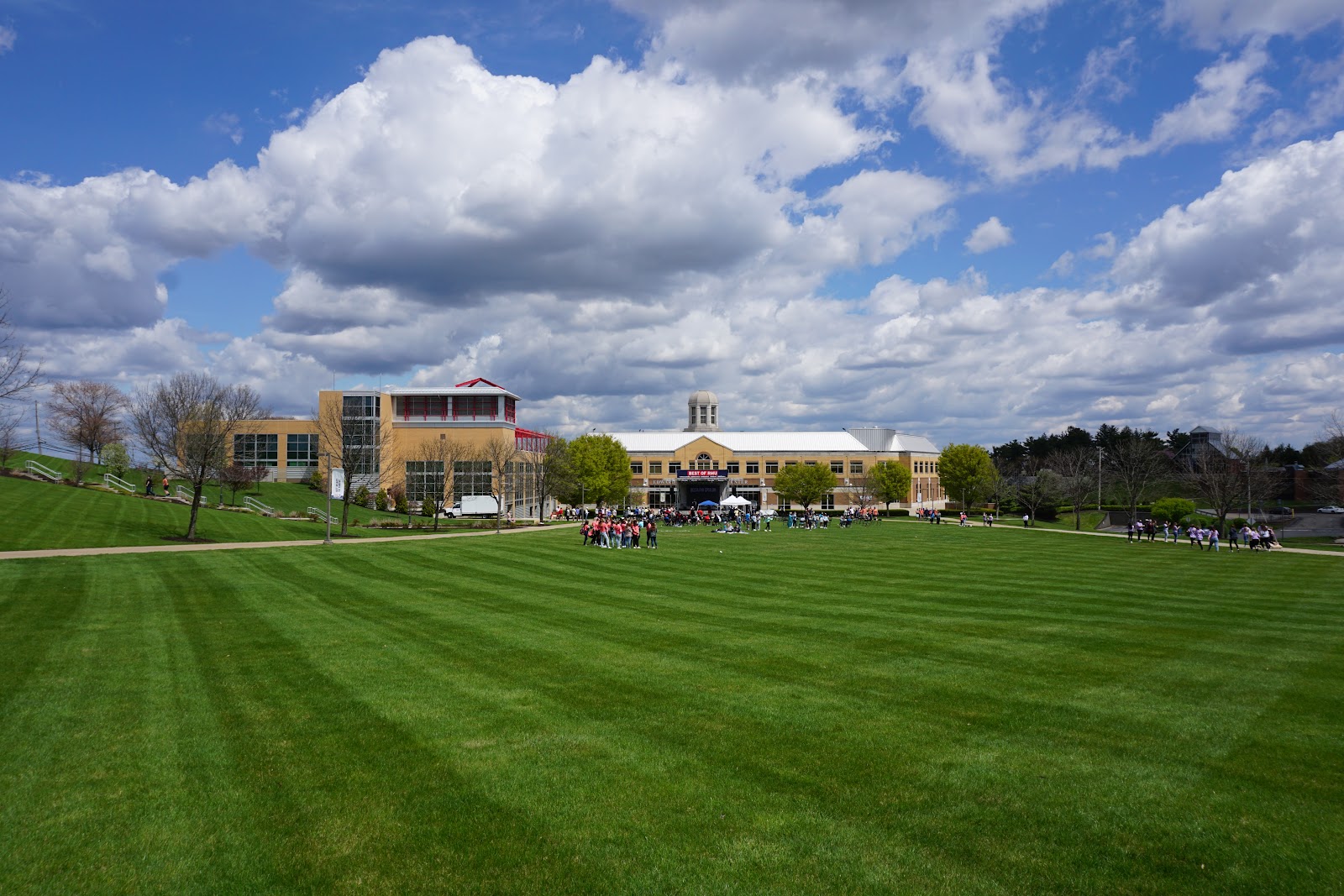


Robert Morris University’s nursing education is built on the "RMU Gateway" model, which emphasizes early professional engagement and high-impact clinical experiences. The traditional four-year BSN is a direct-admission program where students can enter the nursing major immediately upon freshman enrollment. For those who already hold a bachelor’s degree in another field, RMU offers a fast-paced 15-month Second Degree BSN. At the graduate level, RMU provides a fully online Master’s-to-DNP and a BSN-to-DNP track for Family Nurse Practitioners (FNP) and Psychiatric Mental Health Nurse Practitioners (PMHNP). The BSN curriculum requires approximately 120 credits, focusing on evidence-based practice, healthcare informatics, and population health.
The program is centered in the Regional Research and Innovation in Simulation Education (RISE) Center. This 5,000-square-foot facility is accredited by the Society for Simulation in Healthcare and features four simulated hospital rooms, a home health suite (complete with kitchen and bathroom), and an exam room for standardized patient interactions. Students work with high-fidelity manikins and professional actors to master complex medical scenarios in a "psychologically safe" environment. Clinical rotations are held at premier Pittsburgh-area systems, including UPMC and Allegheny Health Network (AHN). This rigorous training led to a perfect 100% NCLEX-RN pass rate for the 2024–2025 reporting period, a feat that distinguishes RMU as a top-tier choice in the competitive Pennsylvania nursing landscape.
Compared to other programs in the Pittsburgh region, RMU stands out for its interprofessional collaboration—such as nursing students working with biomedical engineering students to design medical devices—and its small class sizes. The university also offers international clinical opportunities, allowing students to study global health systems firsthand. Admission for the BSN typically requires a 3.0+ high school GPA and a "B" or better in high school chemistry (with lab) and math.
Do you manage this facility? Claim your profile now to suggest edits to this page.
Manage your clinical education on Nursa
Programs
A BSN is a 4-year university RN degree, widely preferred by employers and required for many advanced roles, whose graduates are eligible to take the NCLEX-RN.
An MSN is a 2–3 year graduate degree that prepares RNs for advanced practice, leadership, and specialized roles such as nurse practitioner or nurse educator.
A DNP is the highest clinical nursing degree, taking 2–4 years, preparing nurses for advanced practice, executive leadership, and policy roles—distinct from the research-focused PhD.
A post-graduate APRN certificate is a 12–24 month credential that lets MSN-prepared nurses add or change an advanced practice specialty without earning a second degree.
Address
Manage your clinical education

Pick Up a Job Today
Find per diem PRN job opportunities in your area. High paying CNA, LPN and RN and many more licences are available now.
Join Nursa
Track Your Clinical Placements
Nursa Study helps nursing schools, students, and clinical sites easily coordinate clinical placements.
Learn More