

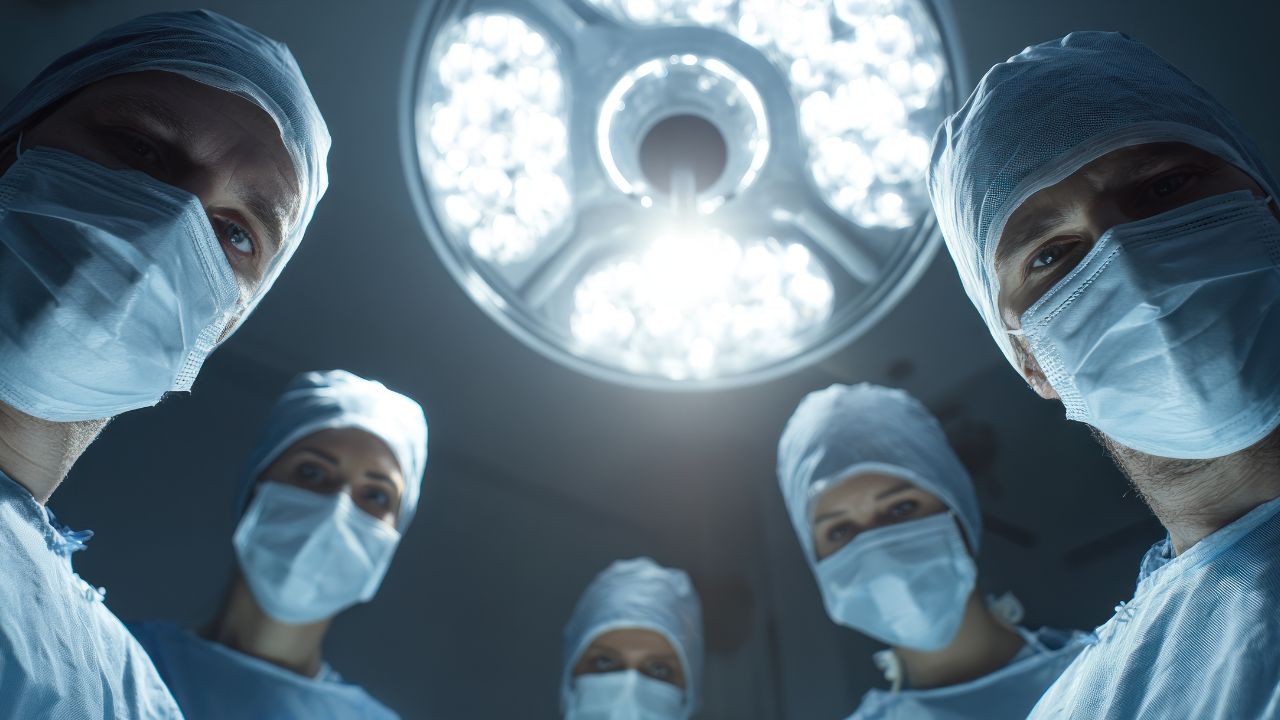
Medical critical care, centered in the medical intensive care unit (MICU), represents the forefront of modern medicine where life-threatening conditions are met with precision, technology, and unwavering human vigilance.
It is a specialized discipline dedicated to stabilizing patients with severe medical crises—such as sepsis, respiratory failure, and multi-organ dysfunction—through continuous monitoring, advanced interventions, and coordinated teamwork.
In this high-stakes environment, multidisciplinary teams of intensivists, nurses, therapists, and support staff blend expertise with compassion, using both evidence-based protocols and emerging technologies like ECMO and predictive analytics to preserve life and function.
Beyond immediate survival, medical critical care embodies a commitment to recovery, ethical decision-making, and the restoration of hope, illustrating the delicate balance between cutting-edge innovation and the profoundly human elements of healing.
Medical critical care: The heart of modern intensive care
The steady hum of ventilators, the rhythmic beeping of monitors, and the swift footsteps of clinicians define the atmosphere of a medical critical care unit.
Every second matters here.
Inside these walls, the margin between life and death often depends on coordination, vigilance, and the mastery of complex medical decisions. For patients with life-threatening illnesses, medical critical care—often called critical care medicine—represents their best chance at survival and recovery.
Medical critical care is the specialized branch of medicine focused on diagnosing, treating, and stabilizing patients facing severe, often multi-organ, medical crises. These patients may be battling sepsis, respiratory failure, acute cardiac distress, or complications from chronic disease.
The critical care unit (CCU), also known as the medical ICU, operates as a high-intensity environment where every intervention is informed by real-time data, precision medicine, and teamwork.
In recent years, global health crises and population aging have expanded the reach and capacity of intensive medical care. Critical care units have evolved into sophisticated ecosystems that blend acute care medicine, advanced critical care procedures, and technological innovation. Yet, amid the monitors and machines, the human element—the compassion, collaboration, and commitment of healthcare professionals—remains at the heart of the field.
What is medical critical care?
At its core, medical critical care is the discipline dedicated to patients who are physiologically unstable or in imminent danger of organ failure.
Critical care medicine focuses on conditions that require continuous observation, complex intervention, and coordinated management to preserve life and function. The medical ICU differs from other specialized ICUs, such as surgical, trauma, or neurological units, by emphasizing non-surgical medical conditions—particularly sepsis, acute respiratory distress syndrome (ARDS), and multi-organ dysfunction syndrome (MODS).
Patients in a medical ICU are among the most fragile in the hospital. They often present with overwhelming infections, acute exacerbations of chronic diseases, or sudden decompensation in vital systems. These situations demand intensive medical care that blends diagnostics, pharmacologic expertise, respiratory management, and ethical decision-making.
As technology advances, advanced critical care has broadened its scope. Early intervention strategies, rapid imaging, and predictive monitoring help clinicians detect deterioration before it becomes irreversible. The field’s philosophy lies in both emergency response and long-term recovery—bridging medical emergency care with stabilization and rehabilitation.
Ultimately, medical critical care represents the intersection of human resilience and medical innovation. It is not only about keeping patients alive but restoring hope and function, using evidence-based care, compassion, and precise coordination.
The medical critical care team
Every successful outcome in a critical care unit depends on a multidisciplinary team working in perfect synchrony. The intensity of critical patient care requires professionals who bring different expertise but share one mission—preserving life and promoting recovery.
The ICU operates on the principle that no single role functions in isolation. Critical care nursing, for instance, provides the continuous bedside presence that connects the decisions of intensivists, the interventions of therapists, and the emotional needs of patients and families.
Daily interdisciplinary rounds promote unified decision-making and rapid communication. Teamwork ensures that every lab result, imaging report, or subtle change in patient condition is addressed promptly. This culture of collaboration defines the success of critical care management, reducing errors and improving survival rates.
Life inside the medical ICU
A walk through a medical ICU reveals a world unlike any other in healthcare. Rows of patient rooms, lined with transparent walls, allow staff to maintain constant visual contact. Inside, each bed is surrounded by an array of monitors displaying heart rhythms, oxygen saturation, and blood pressures—data points that guide every clinical move.
At the center of this orchestrated chaos are patients battling conditions such as acute respiratory failure, septic shock, or renal crisis. Some are sedated and mechanically ventilated, while others are awake but tethered to multiple infusion pumps and dialysis machines. Every minute, vital signs are analyzed through intensive patient monitoring systems that detect even subtle deviations.
The environment is one of perpetual motion. A patient may require critical care procedures like central line insertion, intubation, or arterial blood sampling at any moment. Alarms prompt immediate responses, yet the staff maintains calm precision.
Beyond the machinery, the ICU is also a place of humanity. Families receive updates in quiet consultation rooms, nurses hold patients’ hands during moments of uncertainty, and therapists encourage the first small steps toward recovery. Shift transitions are seamless, ensuring that critical care protocols remain consistent and that every detail of intensive care treatment continues without interruption.
Each day in the ICU represents a cycle of reassessment—adjusting ventilator settings, revising medication plans, and planning for the next stage of care. The routine may be structured, but the work is never predictable.
Procedures and protocols that save lives
The practice of advanced critical care involves an array of life-saving procedures performed under pressure and guided by meticulous standards. Some of the most essential critical care procedures include:
- Endotracheal intubation and mechanical ventilation: To secure the airway and support breathing in respiratory failure
- Central venous catheterization: For medication delivery, hemodynamic monitoring, and fluid management
- Arterial line insertion: For continuous blood pressure measurement and frequent blood gas analysis
- Renal replacement therapy (dialysis): To manage acute kidney injury and metabolic imbalances
- Chest tube placement and thoracentesis: To relieve fluid or air accumulation impairing lung function
- Advanced life support critical care: Encompassing defibrillation, vasopressor therapy, and cardiac pacing
Every action follows critical care guidelines—evidence-based frameworks that standardize decision-making. These guidelines govern sedation levels, infection prevention, and ventilator management, ensuring uniform safety across teams.
Structured critical care management protocols—such as the Sepsis Survival Campaign or ventilator-associated pneumonia prevention bundles—translate research into bedside practice. They help clinicians navigate complexity while maintaining flexibility for patient individuality.
Emerging advanced critical care technologies are also transforming this field. ECMO (extracorporeal membrane oxygenation) provides cardiac and pulmonary support when conventional ventilation fails. AI-driven systems predict decompensation hours in advance, enabling earlier intervention. Such tools underscore the evolution from reactive medicine to predictive precision care.
Managing and monitoring critical patients
In the critical care unit, patient monitoring extends beyond numbers—it represents a living narrative of physiology.
Every ICU bed is connected to a network of intensive patient monitoring systems that track parameters such as cardiac rhythm, oxygen saturation, intracranial pressure, and urine output. These data streams feed into dashboards that help clinicians make split-second decisions.
The complexity of medical critical treatment lies in interpreting these signals. A sudden drop in blood pressure might reflect sepsis progression, medication side effects, or volume depletion. Physicians and nurses synthesize these clues with lab data and imaging to adjust therapies.
To maintain consistency, critical care protocols dictate clear thresholds for escalation—such as when to start vasopressors, adjust ventilator settings, or activate rapid response teams. Such systems reduce human error and promote early intervention, which is vital for recovery.
Advanced monitoring tools—like continuous EEG, hemodynamic modeling, and AI-enhanced alarm filtering—now augment clinical judgment. These innovations elevate critical care management, allowing more precise titration of fluids, sedation, and ventilation.
Ultimately, monitoring in the ICU is both an art and a science. Machines collect data, but clinicians give it meaning—translating patterns into action that sustains life.
Advanced life support and acute care
When vital organs fail, life support critical care becomes the cornerstone of survival.
Mechanical ventilators replace the function of compromised lungs, cardiac assist devices sustain heart output, and dialysis machines cleanse the blood of toxins. In some cases, ECMO acts as an external life-support system for both the heart and lungs, offering patients a bridge to recovery or transplantation.
These technologies are the tangible expressions of acute care medicine, where speed and precision meet in the service of stabilization. The transition from medical emergency care—such as in the emergency department—to the ICU marks the shift from crisis to controlled management. Here, the focus expands from saving life in the moment to preserving organ function, minimizing complications, and supporting eventual rehabilitation.
Life support is not solely mechanical—it involves ethical and human considerations. Goals of care discussions, especially for patients with limited prognoses, help ensure treatment aligns with patient wishes and dignity. Critical care teams work closely with families to clarify expectations and support decision-making.
This balance of high technology and compassionate communication defines modern intensive care treatment. It reflects the dual mission of critical care medicine: sustaining life while honoring its quality.
Nursing in the ICU
If the ICU is the heart of a hospital, critical care nurses are its steady pulse. These professionals combine technical expertise with emotional resilience, managing constant stimuli while maintaining compassionate presence.
Critical care nursing encompasses continuous bedside assessment, medication administration, and coordination of complex treatment plans. Nurses track every fluctuation in heart rate, every subtle change in skin color, and every lab result that might signal distress.
In intensive medical care, nurses are often the first to detect clinical deterioration, prompting swift intervention. They also ensure adherence to intensive care practices such as infection control, safe sedation, and regular patient repositioning to prevent pressure injuries.
Beyond clinical duties, ICU nurses are vital communicators—bridging the dialogue between physicians, therapists, patients, and families. Their insight into patient behavior and progress informs broader treatment decisions.
Resilience, empathy, and critical thinking define these professionals. Despite emotional challenges, critical care nursing embodies the spirit of patient-centered care in its purest form—vigilant, skilled, and deeply human.
The future of medical critical care
The next era of medical critical care is being shaped by innovation, data, and a deepening understanding of what it means to deliver personalized, ethical, and efficient intensive care. Advanced critical care is evolving from reactive stabilization to proactive prevention, driven by predictive analytics and artificial intelligence.
Tele-critical care services now link remote hospitals with ICU command centers staffed by intensivists, enabling expertise to reach patients wherever they are. Virtual dashboards track dozens of patients simultaneously, alerting clinicians to early signs of distress. These systems enhance outcomes, especially in rural or resource-limited areas.
Machine learning tools are being embedded in critical care management software to optimize ventilator settings, predict sepsis, and individualize fluid therapy. Continuous data feeds are analyzed in real time, turning raw information into clinical foresight.
Meanwhile, critical care guidelines continue to evolve, emphasizing precision medicine, mobility, and mental health support for patients after ICU discharge. Rehabilitation and long-term recovery are now recognized as extensions of the critical care continuum.
Yet, amid this technological transformation, the essence of critical care services remains profoundly human. Every monitor still depends on a trained eye, every algorithm on compassionate judgment.
The future will likely bring more automation, but never at the expense of empathy.
In the end, medical critical care is not merely a specialty—it is a reflection of modern medicine’s highest ideals: science guided by humanity, technology serving compassion, and teamwork sustaining life in its most fragile state.


