

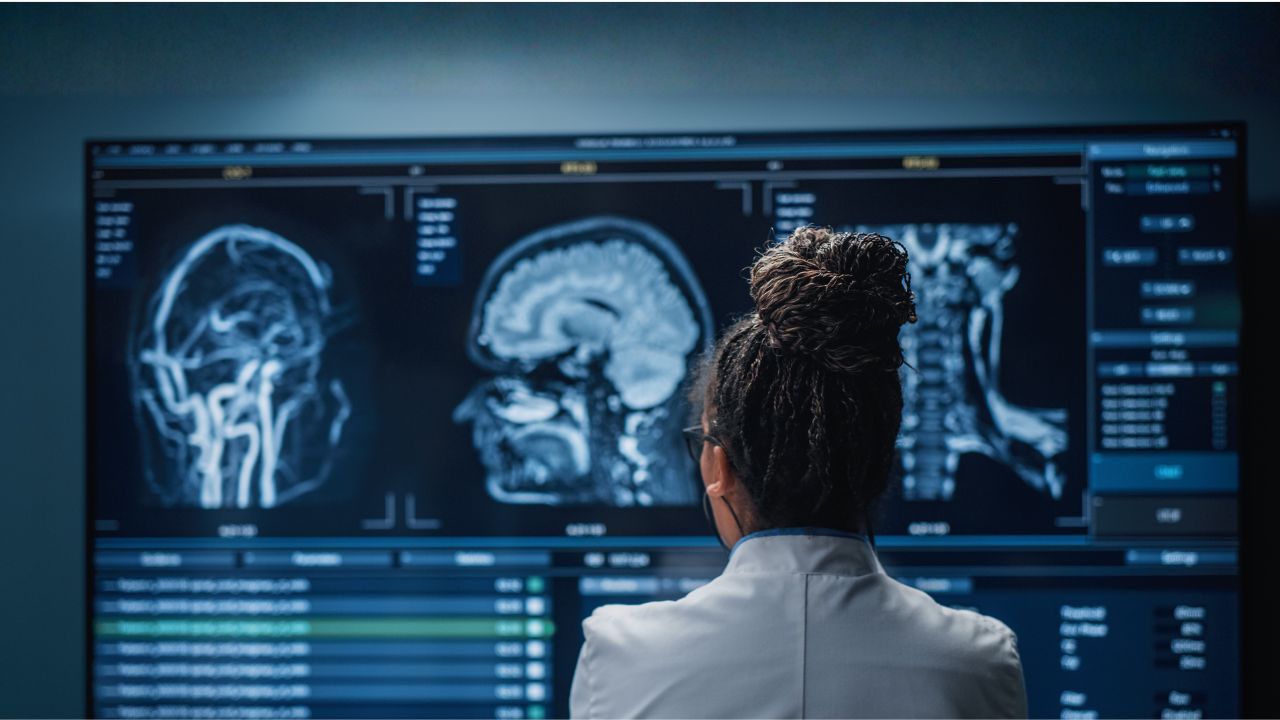
Neurosurgical surgery involves the surgical diagnosis and treatment of the nervous system. There are many complex parts of the nervous system, including the spinal cord, spinal column, and peripheral nerves that live within all parts of the body.
Neurosurgery
This type of surgery—as you may imagine—is challenging, high-stakes, and should only be done with the utmost care and precision.
This surgery is performed by a neurosurgeon, but they need to be surrounded by a specialized team of healthcare professionals who will help a patient before, during, and after surgery.
Growing need for neurosurgical care
As baby boomers reach retirement age and beyond, their medical needs are increasing, driving greater demand for healthcare resources. In the area of neurosurgery, the pressure is on for health care facilities to build a robust team of medical and nursing professionals.
From traumatic brain injury and spinal cord trauma to intractable epilepsy and degenerative spine disease, the volume and acuity of cases are increasing, and so are the expectations.
According to an article published in Codman Specialty Surgical:
“Today, there is roughly one neurosurgeon per 100,000 people in the U.S. Such a ratio was once considered a ‘sufficient’ neurosurgical workforce, according to a U.S. government estimate published in 1975. A more recent analysis suggests sufficient care is now one neurosurgeon for every 61,000 people in order to adequately care for a growing and aging population.”
In order to support excellent neurosurgical outcomes, facility leaders and frontline staff must first understand what neurosurgery truly involves.
Neurosurgery vs. neurology: Scope of practice
While neurology focuses on medical (non-surgical) management of nervous system conditions, neurosurgery involves operative interventions to treat those same systems.
Neurosurgery includes:
- Surgical removal of brain and spinal tumors
- Emergency interventions for traumatic injuries
- Functional surgeries to treat movement disorders
- Complex spinal reconstructions and fusions
The interdisciplinary nature of neurosurgical care
Neurosurgery is not just about the surgeon—it’s about the entire team working in seamless coordination across specialties. The interdisciplinary nature of neurosurgical care is what truly makes it distinct and effective.
Neurosurgeons rely heavily on collaboration across a wide spectrum of clinical and technical specialties:
- Neuroanesthesiologists: For precise sedation, monitoring, and intraoperative brain mapping
- Critical care and step-down units: Provide vigilant postoperative observation and rapid response to complications
- Neurology specialists: Guide diagnosis, preoperative evaluation, and long-term management
- Rehabilitation professionals: Physical, occupational, and speech therapists who support recovery and functional restoration
- Perioperative and surgical support staff: Including neurosurgical OR nurses, technologists, case coordinators, and circulating team members who ensure precision, preparation, and efficiency during procedures
For neurosurgical care to be successful, facilities must do more than provide great surgeons. They must invest in the entire ecosystem—including specialized staffing, dedicated equipment, adaptable space, and standardized protocols that empower every member of the team.
This comprehensive approach also helps minimize risks and supports strong malpractice protection by ensuring high standards of care and clear accountability at every step.
Essentially, Neurosurgery is a team sport—and every role counts.
Key neurosurgical procedures and facility impact
Understanding the range of neurosurgical procedures helps facilities better plan for patient flow, postoperative care, and system demands.
Some key neurosurgical procedures include:
Brain tumor surgery
Brain tumor surgery is performed to remove primary or metastatic brain tumors.
- Common approaches: Open craniotomy, stereotactic biopsy, endoscopic resection
- Facility needs: ICU beds, MRI navigation, pathology coordination, and managing intracranial pressure in neurocritical care
What to expect during recovery from brain surgery?
Recovery from brain surgery typically involves a stay in the ICU for close neurologic monitoring, followed by gradual rehabilitation to restore function and manage potential postoperative cognitive changes after neurosurgery.
Craniotomy
A craniotomy involves surgically opening the skull to access the brain.
- Common reasons: Tumor resection, aneurysm clipping, hematoma evacuation, and awake brain surgery
- Facility needs: Ventilator support, ICU-level sedation, and extensive postoperative neurologic monitoring
How is awake brain surgery performed?
Awake brain surgery is performed by keeping the patient conscious during key parts of the operation to monitor brain function, allowing surgeons to avoid critical areas while removing tumors or treating epilepsy.
Best practices for postoperative care after a craniotomy include frequent neurologic assessments, careful management of pain and intracranial pressure, and close coordination among surgical, anesthesia, and critical care teams to support recovery and prevent complications.
Spinal cord surgery
Spinal cord surgeries relieve compression or remove lesions in the spinal cord.
- Common procedures: Laminectomy and spinal fusion
- Facility needs: Support for long recovery, pain control, and neurorehabilitation
Common complications after spinal cord surgery include infection, bleeding, cerebrospinal fluid (CSF) leak, nerve damage, chronic pain, and impaired mobility or sensation—requiring vigilant monitoring and prompt intervention by the care team.
Rehabilitation protocols after spinal fusion surgery focus on pain management, gradual mobility restoration, and physical therapy to strengthen supporting muscles.
Ongoing monitoring and assessments ensure proper healing and help identify potential complications early.
Endoscopic endonasal surgery
Endoscopic endonasal surgery provides minimally invasive access to deep brain structures and is used in both neurosurgery and otolaryngology.
- Approach: Through the nasal passages to reduce tissue disruption
- Facility needs: Advanced imaging, specialized instruments, precision tools
Successful endoscopic endonasal surgery depends on specialized equipment, skilled teams, and seamless coordination to maximize patient outcomes while minimizing risks.
Epilepsy surgery
Epilepsy surgeries may be performed when seizures are not controlled by medication.
- Requires: Functional brain mapping, long-term EEG monitoring, and possible awake surgery
- Facility needs: Coordinated pre- and post-op care teams
Post-operative care after epilepsy surgery centers on seizure monitoring, neurologic and cognitive assessments, medication management, and patient safety.
Recovery also involves coordinated rehabilitation and education to help patients and families adapt to changes and optimize long-term outcomes.
Advances in technique: Moving toward precision
Modern neurosurgery increasingly relies on minimally invasive and image-guided techniques, which bring both benefits and demands.
What are the differences between open and minimally invasive neurosurgery?
Open neurosurgery involves larger incisions and direct access to the brain or spine, while minimally invasive neurosurgery uses smaller incisions with specialized tools and imaging to reduce tissue damage and speed recovery.
Some key innovations include:
Minimally invasive spine surgery (MISS)
Intraoperative neuromonitoring (IONM) plays a vital role during minimally invasive spine procedures.
- Used to reduce blood loss, pain, and recovery time
- Requires specialized instruments and intraoperative imaging
- Common in degenerative spine and disc procedures
By continuously tracking neural signals throughout surgery, the care team can safeguard nerve function, reduce injury risk, and contribute to more precise, data-driven outcomes.
Stereotactic surgery
- Provides 3D-guided precision for deep or delicate brain structures
- Essential for targeting tumors, biopsies, and functional procedures
- Requires advanced navigation systems
Brain mapping and awake surgery
- Protects vital brain functions during resection
- Preserves speech, movement, and cognition
- Requires anesthesia teams trained in conscious sedation
Intraoperative neuromonitoring (IONM)
- Monitors brain and nerve function in real time during surgery
- Helps prevent neurologic injury
- Requires specialized equipment and staffing for neurosurgical ORs to ensure safety and precision
To successfully implement these innovations, facilities must invest in:
- Continuous professional training and cross-disciplinary education
- Advanced OR configurations with integrated imaging and navigation systems
- Standardized protocols for patient selection, intraoperative processes, and follow-up coordination
These evolving techniques enhance surgical precision and patient outcomes, but they also demand a well-coordinated, well-equipped team to ensure safe, efficient delivery of care.
Effective patient-flow management and resource allocation are equally vital to sustaining quality across high-acuity cases.
Pediatric neurosurgery: Care for the youngest patients
Caring for pediatric neurosurgery patients requires a distinct, family-centered approach. Professionals working in this field—whether physicians, advanced practice providers, or allied health clinicians—must be skilled in addressing both the medical and emotional needs of children and families.
Common pediatric conditions include:
- Congenital issues like hydrocephalus or spina bifida
- Pediatric brain tumors
- Refractory epilepsy
- Trauma
Facilities must plan for:
- Child-specific sedation and recovery protocols
- Family presence during hospitalization
- Multidisciplinary planning involving social work, child life, and pediatric rehab teams
Pediatric intensive care unit (PICU) teams must be properly credentialed and trained in pediatric neurologic assessments, using specialized monitoring tools such as external ventricular drains (EVDs) and intracranial pressure (ICP) monitors.
Specialized pediatric training enhances clinical assessment, communication with families, and the ability to manage age-specific recovery needs—all essential elements of delivering safe, compassionate neurosurgical care for children.
Inside the OR: Who makes it work?
A successful neurosurgical case isn’t a solo act—it’s a team performance that brings together surgical, anesthesia, and technical experts. Each team member plays a vital role in ensuring precision, safety, and efficiency throughout the operation.
Essential perioperative roles include:
- Neurosurgeon: Leads the procedure, determines surgical strategy, and performs operative interventions.
- Neuroanesthesia provider: A physician anesthesiologist or certified registered nurse anesthetist (CRNA) who manages sedation, airway, and neurologic monitoring, including awake procedures and intraoperative brain mapping.
- Perioperative nursing clinicians and technologists: Maintain the sterile field, manage specialized neurosurgical instruments, assist with patient positioning, and coordinate intraoperative logistics.
- Intraoperative neuromonitoring specialists: Track neural signals in real time to safeguard critical brain and spinal pathways.
- Circulating support staff: Ensure supplies, documentation, and communication flow smoothly among surgical, anesthesia, and critical care teams.
In the operating room, neurosurgical operating room nurses and perioperative technologists play a key role in maintaining sterile technique, preparing specialized instruments, and ensuring the neurosurgical team has what it needs for every phase of the procedure.
In the immediate postoperative phase, neurocritical care teams perform continuous neurologic assessments, manage sedation and ventilation, and monitor for complications such as seizures or cerebrospinal fluid (CSF) leaks.
Collaboration among ICU clinicians, neurosurgeons, and anesthesiology teams ensures high-acuity patients receive timely, coordinated care.
Postoperative care and ICU management
After neurosurgery, critical care teams play a central role in stabilizing patients and detecting early signs of deterioration. Their key responsibilities include:
- Providing immediate postoperative stabilization
- Managing ventilator settings, sedation protocols, and hemodynamic status
- Conducting frequent neurologic assessments (e.g., Glasgow Coma Scale, pupil size, limb movement, cognition)
- Monitoring for potential complications such as seizures, CSF leaks, or bleeding
These responsibilities require precise clinical judgment and continuous coordination among surgical, anesthesia, and neurocritical care teams.
Facility needs for ICU neurosurgical care
To support safe and efficient recovery, facilities must have reliable systems in place. These should include:
- Clear pathways for ICU-to-step-down unit transfers
- Immediate access to neuroimaging—even during off-hours
- Standardized documentation of neurologic assessments and changes
A well-prepared facility with trained, multidisciplinary staff ensures continuity of care, rapid intervention when complications arise, and consistent communication across all stages of recovery.
Neuromonitoring & complication detection in neurocritical care
Continuous neuromonitoring after surgery is vital for early detection of neurologic changes and complications. In neurosurgical ICUs, specialized monitoring practices allow the care team to respond rapidly to any sign of decline.
Common monitoring practices include:
- Tracking intracranial pressure (ICP) and cerebral perfusion
- Performing frequent neuro checks—pupil response, limb movement, speech, cognition
- Observing hemodynamic and respiratory parameters for subtle shifts
- Reviewing EEG or multimodal monitoring data when indicated
Early recognition of complications such as hemorrhage, brain herniation, seizure activity, or delirium is essential. These observations depend on a coordinated effort among critical care clinicians, neurointensivists, and bedside staff working closely with surgical teams.
By maintaining vigilant, consistent monitoring and clear communication pathways, neurocritical care units can identify deterioration early, guide timely interventions, and improve overall outcomes for neurosurgical patients.
What facilities must provide
To enable effective neurosurgical ICU care, facilities must ensure that clinical teams have the right training, tools, and support. This includes:
- Comprehensive education for all critical care personnel in neurologic assessment and emergency response protocols.
- Readily available neurology and neurosurgery specialists for rapid consultation.
- Access to essential tools such as external ventricular drains (EVDs), intracranial pressure (ICP) bolts, and continuous EEG monitoring systems
- Infrastructure that supports multidisciplinary collaboration, technology integration, and ongoing staff development
Investing in these capabilities strengthens patient safety, reduces response times, and empowers the entire neurocritical care team to deliver high-quality outcomes in high-acuity settings.
Recovery and rehabilitation: Guiding patients beyond the OR
Recovery after neurosurgery is rarely straightforward. Patients transition through several phases of care, each requiring close coordination among medical, surgical, rehabilitation, and support teams to promote healing and independence.
Typical recovery timelines may include:
- Several days in the ICU for continuous neurologic and physiologic monitoring
- 1-2 weeks in an inpatient rehabilitation or transitional care facility
- Several months of outpatient therapy and follow-up appointments for continued functional improvement
Rehabilitation focuses on restoring function and independence. Neurosurgical recovery often includes a combination of therapies tailored to the patient’s specific needs and may include:
- Physical therapy to rebuild strength, balance, and mobility
- Occupational therapy to support independence with daily activities
- Speech and cognitive therapy to improve communication and cognitive performance
Facilities must prepare patients and families for the road ahead. Effective discharge planning and education are essential to reduce complications and readmissions. Key elements include:
- Education materials tailored to each patient’s neurologic condition and treatment plan
- Clear instructions on wound care, seizure precautions, and medication management provided by the care team
- Access to neuropsychology, case management, and cognitive support resources for continued guidance and adjustment
Thoughtful preparation and communication across all care phases help patients and families navigate recovery with confidence, improving long-term outcomes and quality of life.
Functional neurosurgery: High-tech, high-touch
Functional neurosurgery is a growing subfield focused on improving the quality of life for patients with movement disorders, psychiatric conditions, or chronic pain.
It combines surgical precision with long-term neurologic management to restore or modulate brain and nerve activity.
Common applications of functional neurosurgery
- Parkinson’s disease
- Essential tremor
- Dystonia
- Obsessive-compulsive disorder (OCD)
- Treatment-resistant depression
- Chronic pain syndromes
Functional neurosurgery for movement disorders involves surgical techniques, like deep brain stimulation (DBS).
What is deep brain stimulation (DBS)?
One of the most established examples of functional neurosurgery is Deep Brain Stimulation (DBS)—a procedure that uses implanted electrodes to deliver controlled electrical impulses to specific brain regions.
DBS helps regulate abnormal neural activity and can dramatically reduce symptoms in patients with Parkinson’s disease, essential tremor, and other movement disorders.
How DBS works:
- Electrode placement: Leads are surgically implanted into targeted brain areas.
- Pulse generator: A small device (similar to a pacemaker) is placed in the chest to deliver electrical stimulation.
- Programming and follow-up: Neurology and neurosurgery teams collaborate to adjust settings and monitor long-term outcomes.
Facilities that support DBS must plan for staged operating room procedures, intraoperative testing, post-operative wound care, and long-term device programming.
Ongoing coordination between neurology, neurosurgery, and rehabilitation professionals is essential to maximize benefits and maintain patient safety.
As functional neurosurgery continues to evolve, the integration of imaging, robotics, and adaptive stimulation technologies is expanding its reach to new conditions, offering patients innovative treatment options and renewed independence.
The power of a multidisciplinary care team
Neurosurgery is never a solo endeavor. Every successful outcome depends on a well-coordinated, multidisciplinary team that works seamlessly across the continuum of care—from the operating room to intensive care, rehabilitation, and beyond.
Neurosurgical patients are among the most complex and vulnerable in healthcare. Their recovery depends on the combined vigilance, skill, and compassion of professionals across disciplines: surgeons, anesthesiologists, advanced practice providers, nurses, therapists, and many others who guide each phase of healing.
Every handoff, assessment, and decision shapes the patient’s trajectory. When every team member performs with precision and collaboration, neurosurgery achieves what it does best—restoring function, preserving quality of life, and advancing the science of healing.
Learn more about surgical care.


