Surgery sits at the intersection of human precision, technical mastery, and collaborative practice, touching nearly every corner of modern healthcare.
From stabilizing a ruptured aneurysm in the middle of the night to reconstructing a complex craniofacial deformity through meticulously staged operations, the domain of operative care is vast and constantly evolving.
The operating room is a microcosm of medicine, where decisions are time-sensitive, data-rich, and team-dependent. What happens there reflects how well an entire health enterprise coordinates diagnostics, staffing, safety, communication, and follow-up.
Underneath the sterile drapes is a lattice of surgical systems: logistics that move instruments, teams that align skills, analytics that expose bottlenecks, and standards that reduce variability. Every incision is the physical expression of a plan, a risk calculus, a consent conversation, and a shared commitment to patient outcomes.
For patients and clinicians, the power of surgery lies in its blend of tangible intervention and structured processes—an approach that thrives when linked with anesthesiology, radiology, pathology, critical care, cardiology, neurology, oncology, pediatrics, and rehabilitation services.
As a surgical healthcare specialization, it extends beyond the OR into clinics, inpatient units, ambulatory centers, and even home-based recovery pathways. The common thread across these environments is precision: precise diagnoses, precise techniques, and precise teamwork.
When aligned, they transform surgical care from a single event into a continuum of safety and results that define modern medicine.
Where surgery connects to other specialties
Surgical success depends on upstream diagnostics and downstream support:
- Emergency medicine for triage
- Hospital medicine for comorbid optimization
- Pharmacy for antimicrobial and analgesic stewardship
- Infectious disease for complex prophylaxis
- Imaging for intraoperative guidance
- Rehabilitation for mobility and functional restoration
- Social work and case management for safe discharges
- Primary care for long-term risk reduction
The purpose and practice of surgery
At its core, operative medicine exists to diagnose, treat, and restore health through precise physical intervention. This is achieved through procedures designed to remove pathology, repair structures, restore function, or re-route physiological processes.
Historically rooted in open operations and manual craftsmanship, today’s practice also harnesses high-definition visualization, advanced imaging, and informatics to guide decisions before, during, and after the procedure. The shift from purely tactile technique to digitally aided precision has broadened what is feasible while enhancing consistency and safety.
The mission, however, remains dual: curative and preventive.
Surgery removes cancers, repairs fractures, and replants limbs. Yet, it also prevents life-threatening events—consider bariatric operations that lower cardiovascular risk, carotid endarterectomy that reduces stroke risk, or prophylactic mastectomy in high-genetic-risk patients.
Surgery in healthcare is more than a single procedure; it is a comprehensive system that encompasses evaluation, informed consent, risk mitigation, and outcome measurement.
Robust programs link the OR to:
- Clinics that screen and optimize patients
- Perioperative medicine that stabilizes comorbidities
- Anesthesiology that tailors anesthetic plans
- Critical care for postoperative monitoring
- Rehabilitation that accelerates recovery
This end-to-end model relies on standardized pathways, patient education, and digital tools—from scheduling platforms to decision support—that enable predictable, equitable care at scale.
As costs and expectations rise, surgical leaders increasingly tie technique to value, aligning patient goals with measurable outcomes that matter: function, comfort, speed of recovery, and durable results.
The evolving definition of surgical success
Outcomes now extend beyond mortality and complication rates to include quality of life, return-to-work timelines, symptom control, and patient-reported experiences—metrics that require interprofessional follow-up and transparency in data.
Categories and subspecialties of surgery
Surgical practice encompasses an exhaustive taxonomy of operations and organ systems, each with tailored training, tools, and team configurations.
When patients and referrers look for clarity, an accessible map of surgery types helps them understand who does what and where to go for a specific need:
- General surgery provides foundational capabilities, including abdominal procedures, hernia repair, gallbladder removal, and emergency coverage, often serving as the gateway to more specialized care.
- Orthopedic surgeons specialize in the diagnosis and treatment of bones, joints, tendons, and ligaments, encompassing a range of procedures from arthroscopic repairs to joint replacements and complex trauma reconstruction.
- Cardiothoracic surgeons manage heart valves, coronary arteries, the aorta, and lung resections.
- Vascular surgeons address aneurysms, blockages, and dialysis access.
- Neurosurgeons treat brain and spine conditions.
- ENT (otolaryngology) surgeons manage head and neck, ear, and sinus pathology.
- Plastic and reconstructive surgery spans burn care, microsurgical flaps, breast reconstruction, hand surgery, and the aesthetics that shape plastic surgery trends.
- Pediatric surgeons adapt their techniques to the growing bodies of children.
- Surgical oncologists coordinate tumor resections with systemic therapies.
- Trauma surgeons lead resuscitation and definitive management in emergency surgery, working closely with emergency medicine, radiology, anesthesiology, and critical care in time-critical situations.
Across these branches, technology and teamwork are constants: imaging, navigation, robotics, advanced biomaterials, and integrated care pathways are shared assets. Collaboration with gastroenterology, urology, gynecology, endocrinology, pulmonology, and geriatrics ensures a holistic evaluation and continuity of care.
As cases become more complex—such as multimodal cancer care, reoperative abdominal surgery, and limb salvage—multidisciplinary conferences align strategy, sequence, and resources for the safest and most effective course.
Subspecialty synergy in practice
Institutions that create co-located clinics—such as vascular clinics with nephrology, oncology clinics with radiation therapy, and spine clinics with neurology and pain management—shorten the time to treatment and streamline decisions for patients with multifaceted needs.
The surgical process: From planning to recovery
Every operation unfolds through a structured, three-phase journey that begins long before the patient arrives at the OR and extends well after the last suture is placed.
The aim is orchestration: aligning clinical judgment, patient values, and operational readiness.
Teams plan, execute, and verify in cycles that promote safety and fidelity to standards while still allowing surgeon discretion and personalization.
Preoperative planning built on clarity and consent
This phase verifies diagnosis, gathers comorbidity data, calibrates anesthesia plans, and educates patients about expectations.
Surgeons review imaging, labs, and prior operative notes; anesthesia stratifies risk; nursing coordinates instructions for fasting, medications, and transportation; administrators finalize authorization and scheduling. Shared decision-making transforms options into an agreed pathway with documented goals.
Intraoperative execution under a shared mental model
Before incision, the group confirms identity, procedure, site, and readiness of equipment. The sterile field is maintained while the team communicates concisely about critical steps, anticipated blood loss, backups, and implant availability.
Precision becomes collective: surgeons lead, anesthesia manages physiology, scrub and circulating roles anticipate needs, and technologists maintain instruments in an organized and functional state.
Postoperative transition with vigilance
Upon closure and dressings, care shifts to recovery units where airway, hemodynamics, comfort, and early functional milestones are monitored.
Clinicians update families, adjust plans to real-time data, and document outcomes. Standardized reporting facilitates seamless handoffs to inpatient units, home health, or rehabilitation partners, ensuring continuity of care and timely escalation of concerns.
The surgical team: Structure and collaboration
High-performing surgical services rely on clear roles, effective communication, and mutual respect. The core team flexes by case type and setting but consistently blends operative expertise with perioperative logistics, information management, and patient education.
In busy centers, a single day can involve trauma alerts, elective cases, and urgent add-ons, necessitating seamless handoffs and a shared language for safety.
Strong teams cultivate both technical and nontechnical skills. Surgical team roles are reinforced through the use of checklists, briefings, and debriefs.
Key responsibilities include:
Collaboration extends to radiologists, perfusionists, physician assistants, nurse practitioners, physical therapists, respiratory therapists, and pharmacists who contribute at every stage.
Communication habits that save lives
Brief, clear updates at predictable intervals, read-backs for critical information, and debriefs that capture what went well and what needs improvement are the backbone of a culture where everyone feels empowered to speak up.
Surgical preparation: Safety starts before the incision
The safest surgeries begin with structured readiness routines that align people, data, and resources. In busy services, the speed of care must never outpace the speed of safety. Surgery preparation thus hinges on consistent, team-owned processes that are easy to follow and hard to skip.
Surgeons, anesthesiologists, nurses, and administrators converge around the same plan, the same data, and the exact expectations for contingencies. Operational leaders verify case prioritization, bed availability, and sterile supply readiness while clinicians confirm patient-specific nuances.
A shared dashboard or brief huddle can synchronize the day within minutes, preventing downstream delays and errors.
The preoperative checklist is the most recognizable tool for making safety visible. Items typically include identity and site verification, allergies, implants, blood availability, in-room imaging, required equipment, and antibiotics administered at the time of incision.
Documentation standardization makes information accessible to all team members, while patient-friendly instructions help reduce cancellations and last-minute deferrals. Equally important is risk management in surgery as a whole: screening for obstructive sleep apnea, venous thromboembolism risk, frailty, or delirium helps tailor care pathways and guides resource allocation, from ICU beds to sitter support.
When preparation is done right, it feels routine and unhurried—even on the busiest days—because the team has already engineered reliability into the flow.
Practical tips for reliable readiness
Create role-based checkpoints for surgeons, anesthesia, and nursing; pair electronic prompts with hands-on verification; and track start-time delays to learn where preparation succeeds or needs reinforcement.
Inside the operating room
Step inside a modern OR and you'll see choreography around sterile drapes, monitors, instrument tables, and calibrated devices that transform planning into precise action. The environment is governed by operating room protocol that starts with attire and sterile technique and extends to traffic control, device safety checks, and documentation of critical moments. These rules maintain a contamination-free environment and a transparent chain of accountability.
Technology now integrates into nearly every step: anesthesia workstations display real-time physiology; image guidance and ultrasound enhance localization; digital whiteboards mirror case progress and staffing updates; and automated documentation captures timestamps for fidelity and analysis.
Teams adopt a "sterile cockpit" mindset—focused, minimal chatter—during high-risk steps to reduce distraction, while maintaining open channels for urgent updates.
A well-tuned surgical workflow anticipates needs: instruments are sequenced according to the surgeon's technique; implants and suture types are pre-verified; and backups for energy devices or scopes are readily available in the room.
Time-outs, sponge and instrument counts, and pharmacologic verifications are nonnegotiable safety anchors.
OR staff record intraoperative events that drive quality audits and post-op planning, increasing transparency across the care continuum. The payoff is surgical efficiency that reduces anesthesia time, lowers the risk of infection, and accelerates turnover without sacrificing safety.
What reliability looks like in practice
Teams that simulate crisis events, use visual cueing, and huddle quickly between cases tend to minimize delays, preserve focus, and adapt faster when surprises occur.
Techniques: From open to robotic surgery
Surgical approaches form a spectrum, each with its own strengths, limitations, and patient-fit considerations.
Open surgery remains essential for exposure, tactile feedback, and speed in major trauma or complex revisions. Surgeons using open approaches rely on direct visualization and hands-on control to manage bleeding, reconstruct anatomy, and address unexpected findings.
At the other end of the spectrum, minimally invasive surgery—encompassing laparoscopy, thoracoscopy, and arthroscopy—utilizes small incisions and advanced optics to minimize pain, reduce hospital stays, and enable patients to return to function more quickly. These approaches require specialized training, careful port placement, and team familiarity with unique instrumentation to achieve consistent results.
At the leading edge, robotic surgery augments a surgeon's dexterity with articulated instruments and tremor filtration, paired with high-definition, magnified 3D visualization. While the robot does not make decisions, it can improve ergonomics, access to deep or narrow spaces, and reproducibility of complex maneuvers.
Hybrid ORs that combine real-time imaging with open and endovascular tools exemplify how multidisciplinary teams can tailor technique to the problem—vascular surgeons, interventional radiologists, and anesthesiologists applying the right modality at the right moment.
As with any tool, value depends on patient selection, surgeon skill, and institutional support for maintenance, training, and metrics tracking.
Choosing the right approach
Decision-making weighs pathology, patient comorbidities, recovery goals, available expertise, and equipment. A shared conversation about trade-offs helps align expectations and optimize outcomes.
Postoperative care and surgical recovery
After the last stitch, the focus shifts to comfort, safety, and steady return to baseline—or better.
Foundational to postoperative care are vigilant monitoring, pain control that balances relief with mobility and cognition, wound assessment, nutrition, and early activity. Recovery teams guide patients through incentive spirometry, early ambulation, and anticoagulation plans tailored to their individual risk profiles.
- Anesthesiologists adjust multimodal analgesia and mitigate nausea.
- Nurses assess neurovascular status, drainage, and dressings to ensure optimal patient care and outcomes.
- Physical and occupational therapists focus on strengthening, balance, and functional abilities.
- Pharmacists reconcile medications and counsel on their use.
Recovery monitoring encompasses parameters such as vital stability, urinary output, laboratory results, drain output trends, early warning scores, and symptom check-ins that continue after discharge via nurse calls or digital tools.
Administrative metrics quantify what patients feel: surgical recovery time, readmissions, unplanned ED visits, and wound complications.
Enhanced recovery pathways formalize nutrition, fluid management, pain management, and mobilization, thereby reducing variability and length of stay.
Discharge education clarifies when to seek help—such as fever, worsening pain, or changes in drainage—and connects patients to clinic follow-up and community resources.
For older adults and complex cases, collaboration with hospital medicine, geriatrics, and social work can reduce delirium, falls, and caregiver strain.
Extending recovery beyond the hospital
Home health, remote vitals, and telehealth visits help identify concerns early while reducing the travel burden. Clear instructions and easy access to clinicians are the key to providing reassurance and avoiding preventable returns.
Quality, risk, and compliance in surgery
The best surgical programs treat safety not as a rulebook but as a dynamic learning system.
Institutions guard against preventable harm—such as wrong-site operations, retained items, infections, and medication errors—through a combination of layered defenses, including standardized processes, barcode scanning, counts and time-outs, antimicrobial stewardship, and peer review.
Surgical quality assurance mechanisms translate data into action: morbidity and mortality conferences analyze complications; national registries benchmark outcomes; and dashboards display trends in length of stay, transfusions, reoperations, and patient-reported outcomes. The loop tightens when teams test improvements through plan-do-study-act cycles and embed winning practices into protocols. Compliance systems ensure adherence to regulations and accreditation standards, encompassing sterilization parameters, instrument tracking, credentialing, and documentation of informed consent.
Leaders foster psychological safety so every team member can call a halt or raise concerns, recognizing that culture amplifies or undermines any checklist. In parallel, partnership with infection prevention, pharmacy, and environmental services sustains clean air, clean instruments, and clean hands—fundamentals that never go out of style.
Making measurement meaningful
When data are visible, timely, and tied to coaching rather than blame, teams learn faster. Linking metrics to patient stories keeps improvement human-centered and energizing.
Measuring patient satisfaction and performance outcomes
In an era of transparency and consumer choice, patients evaluate not only surgical results but also communication, coordination, and ease of access.
Patient satisfaction in surgery reflects whether people felt heard, prepared, and supported from consultation through follow-up. Timeliness, clarity about risks and benefits, teamwork at the bedside, and responsiveness to pain or worries all shape the experience.
On the operational side, performance evaluation converts raw activity into insight: on-time starts, turnover duration, case duration accuracy, cancellation rates, and after-hours utilization illustrate how well a service meets demand. OR efficiency complements these measures by highlighting how schedules, staffing, and setup align to reduce idle time and waiting.
Leaders combine patient-reported data with clinical outcomes, targeting both safety and experience. For example, this approach can be seen in preoperative classes that also reduce anxiety and no-show rates, as well as nurse call-back programs that catch complications while improving reassurance.
Public reviews and reputation now track with internal reliability; consistent processes produce consistent experiences, and dashboards help keep teams focused on what matters most to patients.
Turning feedback into action
Close the loop by sharing compliments and concerns in real time, recognizing high performers, and co-designing solutions with frontline staff and patients to sustain momentum.
Surgical practice management and staffing systems
Behind every smooth day in the OR lies an organized engine that handles scheduling, supplies, budgets, and people.
Surgical practice management integrates case prioritization, block allocation, preference card accuracy, equipment maintenance, and revenue cycle tasks to ensure reliable access and affordable care. Credentialing ensures that the right clinicians are assigned to the right cases in the correct settings, while governance committees evaluate new procedures and devices.
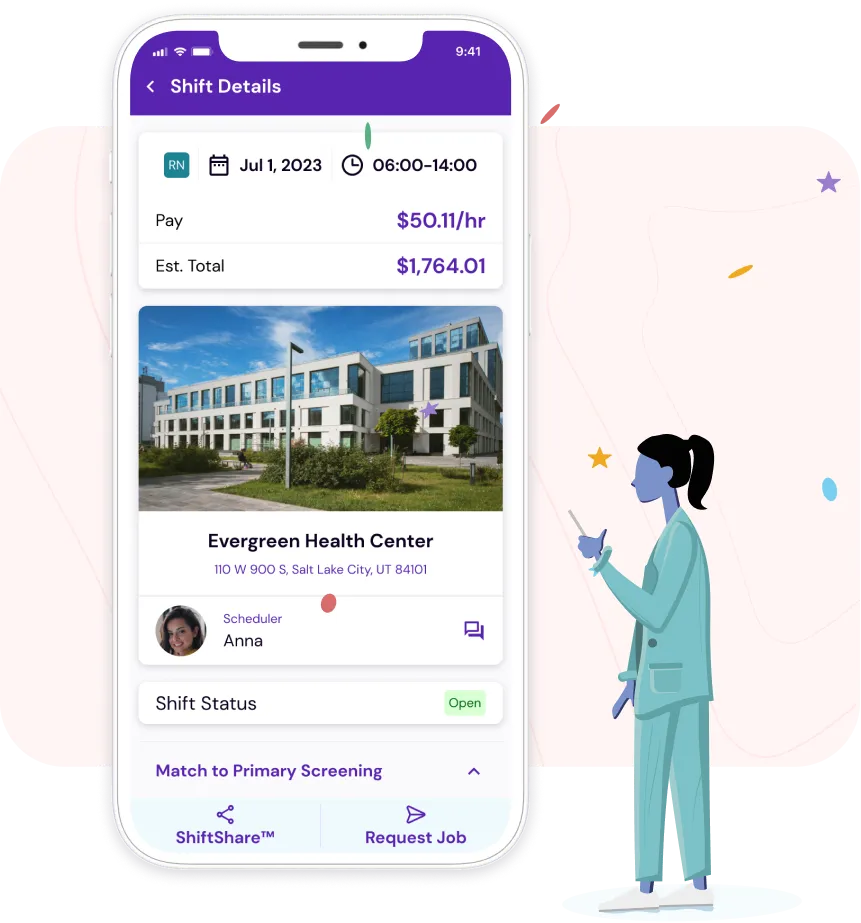
On the workforce side, healthcare staffing in surgery blends full-time teams with per diem and locum support to match fluctuating case volumes, complex call schedules, and seasonal patterns. Digital marketplaces like Nursa expand access to vetted professionals—such as perioperative nurses, PACU nurses, and surgical technologists—so services can be flexible without sacrificing standards. OR scheduling tools align surgeon availability, room capacity, anesthesia coverage, and sterile processing throughput to reduce bottlenecks.
Analytics reveal gaps, such as overbooked block time, underutilized late rooms, or repetitive delays associated with specific resources. Administrators, charge nurses, and service line leaders gather with data in hand, adjusting resources and protocols to ensure care is delivered safely and predictably.
Building a resilient staffing model
Blend core staff for stability with flexible layers for surge capacity. Cross-train roles, maintain accurate preference cards, and create rapid onboarding pathways for travelers or PRN staff to sustain performance during peaks.
Advancements and technology in modern surgery
Innovation continues to redefine what surgeons can see, reach, and repair.
Advancements in surgical technology span high-definition and 3D visualization, energy devices that seal vessels quickly, navigation systems that guide precise instrumentation, and AI tools that forecast risk or suggest next steps. Digital platforms streamline documentation, while integrated PACS and intraoperative imaging shorten feedback loops.
Innovation in surgery is not only about devices; it's also about processes—such as simulation-based training, real-time decision support, and multidisciplinary planning—that reduce variance and elevate outcomes.
Digital surgery trends include augmented reality overlays, 3D-printed models for planning and patient education, and remote proctoring for complex cases.
Telesurgery pilots show promise as bandwidth and latency improve, potentially extending expertise to remote locations.
As new technologies emerge, administrators strike a balance between enthusiasm and evaluation: Does the tool clearly improve outcomes, reduce complications, enhance training, or create value for patients? Governance structures review evidence, ensure staff competency, and confirm alignment with standards and reimbursement policies.
Bringing technology to the bedside responsibly
Early adopters pair rigorous training with phased rollouts, define success metrics upfront, and invite feedback from all team members to ensure tools help rather than hinder.
Continuing education and professional growth
Surgical excellence is a constantly evolving target that demands ongoing learning.
Continuing education in surgery includes maintenance of certification, specialty recertifications, structured curricula, and participation in national registries and quality collaboratives.
Professional development extends beyond technical acumen to encompass leadership, communication, and systems thinking—skills that enable surgeons and perioperative leaders to enhance processes and effectively mentor their teams.
Surgical skills training leverages simulation labs, cadaver courses, animal labs, and virtual reality modules that build muscle memory for rare or high-stakes events.
Fellowships deepen subspecialty expertise, while multidisciplinary conferences with anesthesiology, radiology, pathology, oncology, and rehabilitation broaden perspective and coordination.
Many organizations now support coaching and peer observation programs that normalize feedback and accelerate growth.
Academic-community partnerships disseminate innovation and establish pipelines for future talent, while online learning platforms and micro-credentialing offer flexibility to busy schedules.
Pathways that keep teams sharp
Blend formal courses with case-based learning, journal clubs, and crisis resource management drills. Recognize teaching excellence and create protected time so education remains a priority, not an afterthought.
The future of surgery: Integration and innovation
What comes next will be defined by data-rich, team-centered practice.
The future of surgery is poised to incorporate AI-informed triage and planning, predictive monitoring that identifies complications earlier, and personalized pathways tailored to genomics, imaging phenotypes, and patient-reported outcomes. Collaborative models will deepen across disciplines as virtual huddles and shared dashboards provide everyone with a simultaneous, unified view of the patient.
In this landscape, evolving surgical teams will include informaticists, data scientists, and simulation specialists alongside traditional perioperative roles. Value-based arrangements will reward durable outcomes and frictionless experiences, making coordination, access, and recovery speed strategic priorities.
For patients, advances will feel like convenience—shorter waits, clearer choices, less time in the hospital, more time at home. For professionals, the challenge will be adopting technology wisely while preserving the art of judgment, empathy, and hands-on skill.
Workforce agility—encompassing flexible staffing, cross-training, and supportive platforms—will remain essential as demand fluctuations and case complexity increase.
What to watch
Smarter navigation and robotics, ambient documentation, low-latency telepresence, and home-based recovery tech will move from pilots to standards. Organizations that pair these capabilities with robust training and governance will lead in outcomes and experience.
Evolving precision and elevated care
Surgery is the rare discipline that unites decisive action with systems thinking. It transforms a diagnosis into a plan, a plan into a procedure, and a procedure into a renewed trajectory for a person and their family.
Across emergencies and elective care, in community hospitals and academic centers, it works because people coordinate—surgeons, anesthesiologists, nurses, technologists, administrators, and the many consultants who lend specialized expertise.
As techniques and tools advance, the essentials endure: meticulous preparation, disciplined communication, constant measurement, and a commitment to learn from every case.
The path forward is clear and compelling—build stronger teams, embrace technology with intention, invest in education, and keep patients at the center of every decision. That is how surgical care earns trust today and shapes the progress of medicine tomorrow.
Want to learn more?