

Minnesota offers diverse PRN nursing opportunities, balancing world-class specialty care in cities like Rochester and the Twin Cities with the critical needs of rural healthcare. PRN work provides nurses with flexible schedules, competitive pay, and varied experience. The Nursa platform connects clinicians directly to these per diem shifts statewide, promoting autonomy and work-life balance.
Minnesota
Jump to section on this page

Anchor Link

PRN nursing in Minnesota: A comprehensive guide
Minnesota offers one of the country’s most unique and diverse nursing landscapes.
From cutting-edge quaternary specialty care centers in the Twin Cities metro area to Critical Access Hospitals in remote rural communities, the state offers clinicians a wide range of care settings and patient needs.
For nursing professionals seeking maximum flexibility and diverse experience in their practice, per diem nursing jobs in Minnesota offer a way to engage with multiple healthcare facilities on their own terms.
In this in-depth guide, you will learn more about:
- Minnesota’s specialty care nursing opportunities and ecosystem
- The growing rural healthcare in Minnesota
- Per diem nursing shifts in Minnesota
Digital platforms, such as Nursa, offer unmatched opportunities for PRN nurse shifts in Minnesota.
Minnesota’s specialty and rural care in harmony

What’s it like to be a nurse in Minnesota?
One of the defining features of nursing in Minnesota is the coexistence of world-class specialty medicine hubs and underserved rural communities.
This duality demands a diverse workforce of registered nurses (RNs), licensed practical nurses (LPNs), and certified nursing assistants (CNAs) capable of adapting to the spectrum of care settings—making the state a compelling destination for clinicians interested in expanding their practice breadth.
Quaternary specialty centers in the Twin Cities metro
Minneapolis and St. Paul host some of the nation’s leading quaternary care institutions. Facilities like the Mayo Clinic nursing in Minnesota, in Rochester, and the University of Minnesota Medical Center stand at the forefront of advanced medicine. Some key institutions in this region include:
- Mayo Clinic, Rochester: Globally recognized for organ transplants, cancer treatment, and complex surgical procedures. Nurses here gain exposure to cutting-edge technologies and A harvester working at a farmmultidisciplinary specialties, especially in transplant nursing roles.
- University of Minnesota Medical Center: Offers a wide array of subspecialty care, including neurosciences, cardiology, and trauma.
- Children’s Hospitals: Highly specialized pediatric care in fields such as neonatal intensive care and pediatric oncology.
Other notable centers, such as Regions Hospital, Hennepin Healthcare, and Abbott Northwestern, provide comprehensive specialty services and may engage PRN nurses to handle fluctuating patient volumes.
Nurses working in these environments engage with some of the most complex cases and innovative therapies available.
Mayo Clinic’s comprehensive cancer center offers nurses the opportunity to care for patients undergoing novel immunotherapy treatments or participating in clinical trials, which demand up-to-date knowledge and technical skills.
Trauma nursing in Minneapolis at Hennepin Healthcare exposes clinicians to a high volume of Level I trauma cases, enhancing skills in acute critical care, rapid assessment, and interdisciplinary collaboration.
Rural healthcare needs
Beyond the Twin Cities, Minnesota’s geography includes vast rural areas with limited healthcare resources.
Nearly 80 of the state’s hospitals are classified as Critical Access Hospitals (CAHs), which are pivotal in providing essential services to rural Minnesotans.
These facilities, often located in towns such as Bemidji, Mankato, and Thief River Falls, provide emergency care, inpatient services, and outpatient clinics but operate with limited staff and resources.
To succeed in this environment, clinicians must understand the core characteristics of rural Minnesota healthcare, which include:
- Broader nursing roles: Nurses in rural hospitals often perform a broader range of tasks due to limited staffing. This can include combining medical-surgical, emergency room (ER), and obstetrics nursing.
- Cultural competence: Many rural communities host indigenous populations who receive care through tribal health clinics in partnership with federal programs. Nurses working in these systems learn culturally sensitive approaches and often engage in health promotion and community outreach.
- Telemedicine integration: With staff shortages and distance challenges, rural hospitals increasingly rely on telehealth, requiring nurses to serve as technological facilitators and patient educators.
- Community involvement: Rural nurses frequently build close relationships with patients and families, providing continuity of care and preventive education.
According to a 2022 Minnesota Department of Health report, nearly 60% of rural counties are designated as primary care health professional shortage areas (HPSAs).
This shortage underscores the critical need for nurses who can flexibly support fluctuating demand—during flu seasons, population influxes, or emergencies—without the burden of full-time employment.
What is PRN nursing? Flexibility meets expertise
PRN nurses in Minnesota are sometimes called per diem nurses. More medical centers are leveraging flexible staffing to improve care quality while managing labor costs.
Benefits of PRN nursing
For many clinicians, this working model offers advantages that traditional employment cannot match.
Flexible scheduling
Nurses can choose shifts that best match their lifestyle and responsibilities:
- Supplementing income on weekends
- Taking holiday shifts with premium pay
- Working only during convenient time blocks
Diverse clinical experience
PRN nurses often have opportunities to work across units and specialties, maintaining broad clinical skills. This level of flexibility is especially beneficial for nurses exploring different settings without long-term commitment.
Work-life balance
PRN positions can help clinicians maintain energy and avoid burnout by allowing them autonomy over their schedules.
Financial advantages
Because PRN nursing shifts in Minnesota typically fill immediate staffing needs and don’t receive employee benefits, higher hourly wages are common.
Networking and career exploration
Working across multiple settings allows nurses to build professional connections, paving the way for potential full-time jobs or permanent specialty roles.
Common PRN nursing roles
Per diem nursing jobs are not limited to general care; they span virtually every specialty in the medical field.
Common areas where PRN nurses are needed include:
- Medical-surgical units
- Intensive care units (ICU)
- Emergency departments
- Operating rooms and procedural units
- Pediatrics and neonatal care
- Oncology
- Behavioral health
- Rehabilitation and long-term care
- Home health and hospice
Challenges of PRN nursing
While the flexibility is appealing, it is important to consider the trade-offs involved in this type of employment.
Potential challenges to be aware of include:
- Income stability: By definition, PRN jobs depend on demand. Shifts may be unpredictable, so nurses need to be financially organized.
- Limited benefits: Unlike full-time positions, PRN shifts in Minnesota do not provide employer-sponsored health insurance, paid time off, or retirement benefits. However, they tend to pay more, which can be an advantage for nurses.
- Adjustment period: Serving multiple facilities or units requires quick adaptability, learning new protocols, and integrating with different team cultures.
- Last-minute scheduling: Some PRN shifts are scheduled on short notice, which can disrupt personal plans.
Despite these challenges, the PRN model is especially appealing for clinicians who value autonomy and seek supplemental income. Fortunately, there is a high demand for nurses in Minnesota.
Scope of PRN nursing jobs in Minnesota
Minnesota’s healthcare system offers a wide variety of PRN nursing jobs across multiple specialties and geographic areas. Here’s a closer look.
Specialty PRN nursing opportunities
Clinicians seeking to deepen their subspecialty skills may find openings at advanced care centers in Minnesota. Key specialty areas include:
- Oncology and hematology nursing: Minnesota’s world-class cancer treatment centers, chemotherapy infusion units, inpatient oncology wards, and outpatient clinics
- Critical care nursing: ICUs at Twin Cities and Rochester medical centers in adult, pediatric, and neonatal intensive care units
- Surgical services: Support in surgical services, including minimally invasive procedures, transplant surgeries, and orthopedic specialty cases
- Cardiology and heart failure units: Electrophysiology labs, cardiac catheterization labs, and telemetry units.
- Neonatal and pediatric nursing: In neonatal intensive care and pediatric specialty wards
- Behavioral health and psychiatric nursing: Expanding behavioral health units that need flexible nursing support
These specialty roles generally require specific certifications and provide rewarding opportunities for professional growth and involvement in cutting-edge patient care.
Rural and community PRN nursing
Rural Minnesota has a steady need for nurses to fill gaps caused by staff shortages and fluctuating patient volumes. Opportunities in these communities often fall into the following categories.
Critical Access Hospitals
Per diem nurses can help maintain continuity in:
- Emergency services
- Medical-surgical
- Maternity services
Critical Access Hospitals often operate with smaller nursing teams, so PRN nurses form an essential component of workforce resilience.
Tribal health facilities
Serving tribal nations such as the White Earth Band of Ojibwe, these facilities need culturally attuned nurses to supplement care, particularly during outbreaks or when regular staff are unexpectedly called out.
Long-term care and rehabilitation settings
Minnesota’s aging rural population requires more nurses in nursing homes, assisted living, and rehabilitation facilities to ensure consistent care delivery.
The demand for nurses in rural Minnesota remains steady due to healthcare professional shortages exacerbated by retirements, recruitment challenges, and limited economic incentives to live far from urban centers.
Minnesota cities and the nursing landscape
Understanding where Minnesota nursing jobs are in demand can help clinicians target their job search more efficiently.
Minneapolis/St. Paul - Twin Cities metro
As the state’s largest urban area, with a metro population exceeding 3.5 million, the Twin Cities host major health systems. The most prominent organizations include:
- Allina Health
- HealthPartners
- Fairview Health Services
- Hennepin Healthcare
These facilities offer jobs for RNs, LPNs, and CNAs across specialties, including emergency care, critical care, outpatient specialty clinics, pediatrics, and behavioral health.
Rochester
Home to the world-renowned Mayo Clinic nursing in Minnesota, Rochester offers numerous opportunities for highly specialized nurses.
Opportunities are frequently available in:
- Transplant units
- Cardiac care
- Neurology departments
- Regenerative medicine
The city also features St. Mary's Hospital, offering a hub for clinical innovation and specialty nursing roles.
Duluth
In Duluth, Essentia Health and St. Luke’s Hospital dominate the healthcare market, providing nursing jobs in areas such as:
- Emergency and trauma care
- Med-surg inpatient units
- Rehabilitation medicine
- Pediatric and neonatal services
The city’s proximity to rural communities also means nurses may have opportunities to support satellite clinics and outreach programs.
Mankato and St. Cloud
These regional cities serve southern and central Minnesota, respectively, with community hospitals such as Mayo Clinic Health System sites, CentraCare Health, and Clinic Plus.
PRN nurses here may work closely with:
- Med-surg units
- Oncology clinics
- Skilled nursing facilities
- Outpatient specialty practices
Bemidji and Northern Minnesota
Bemidji Regional Medical Center and tribal health systems serve communities across northern Minnesota. Nursing roles here often call for combining generalist care and culturally competent health services.
PRN nurses in this region often work in Critical Access Hospitals, which serve as a vital link for populations spread across large geographic areas.
The increasing demand for PRN nurses in Minnesota
Minnesota, like much of the United States, is facing demographic and workforce shifts that heighten the importance of flexible nursing resources.
The effect of the aging population

Minnesota has one of the Midwest's fastest-growing populations of older adults. According to the Minnesota State Demographic Center, 1 in 5 residents will be aged 65 or older by 2030.
This demographic shift requires more nurses for:
- Long-term care facilities
- Home health services
- Rehabilitation and palliative care
Rural health workforce shortages
Minnesota faces ongoing nursing shortages that disproportionately affect rural healthcare settings. The primary drivers of this shortage include:
- Recruitment and retention difficulties stem from professional isolation, lower salaries, and limited career advancement.
- The COVID-19 pandemic intensified labor shortages, leading many smaller hospitals to rely more heavily on PRN nursing models.
Post-pandemic working models and telehealth
The COVID-19 health crisis accelerated shifts toward flexible staffing and telehealth. Many hospitals continue to utilize PRN nurses for:
- Seasonal demand fluctuations, such as the flu season
- Tele-nursing roles, including triage and virtual monitoring
Certification and licensure in Minnesota for PRN nursing
To work as a PRN nurse in Minnesota, maintaining proper licensure and certifications is essential. Below are the key requirements and considerations.
Minnesota registered nurse license requirements
Issued by the Minnesota Board of Nursing, the standard RN license requires the following:
- Applicants must graduate from an approved nursing program and pass the national licensure exam.
- Licenses must be renewed every 2 years with a minimum of 24 hours of continuing education.
Minnesota licensed practical nurse license requirements
Issued by the Minnesota Board of Nursing, the standard LPN license requires applicants to graduate from an approved practical nursing program and pass the NCLEX-PN (National Council Licensure Examination for Practical Nurses).
Similar to RNs, LPNs must renew their licenses every 2 years.
Advanced practice registered nurses (APRNs)
Clinical Nurse Specialists (CNS), Certified Nurse Practitioners (CNP), Certified Nurse Midwives (CNM), and Certified Registered Nurse Anesthetists (CRNA) all require additional certification and state licensure.
They must have a current Minnesota RN license and complete a graduate-level program accredited by an approved nursing accrediting body.
Specialty certifications
Certifications such as Critical Care Registered Nurse (CCRN), Oncology Certified Nurse (OCN), and Certified Pediatric Nurse (CPN) may be required for certain per diem assignments. Nurses should always check which accreditations are required before applying for shifts.
Temporary or compact licensure
Minnesota is one of the few states that is not a member of the Nurse Licensure Compact (NLC).
This means that nurses in Minnesota cannot automatically use their license to practice in other states. Nor can nurses from NLC states practice in Minnesota without obtaining a local state license.
Tips to be a successful PRN nurse in Minnesota
Success in PRN nursing blends clinical excellence with effective self-management.
To maximize your opportunities and performance, consider these strategies:
- Build strong communication skills: Engage proactively with nursing leadership and staff to understand unit needs and priorities.
- Be adaptable and tech-savvy: Gain familiarity with multiple Electronic Health Record (EHR) systems such as Epic, Cerner, or Meditech.
- Keep active and current: Stay up to date on certifications and licenses to avoid eligibility gaps.
- Network proactively: Join Minnesota-based nursing organizations, such as the Minnesota Nurses Association, to find opportunities.
- Use tech platforms like Nursa: Leverage digital tools for scheduling, credential management, and payments.
Find PRN nursing shifts in Minnesota with Nursa
Nursa is a leading digital platform transforming how nurses find part-time nursing jobs and temporary nursing jobs in Minnesota.
By connecting clinicians directly with healthcare facilities, Nursa streamlines the job search process and empowers nurses to take control of their schedules.
Looking for the best cities for nurses in Minnesota?
With Nursa, you can access shifts at a wide network of hospitals in Minnesota, including: Minneapolis, St. Paul, Duluth, Rochester, Mankato, Bemidji, Bloomington, and more.
Features of Nursa for Minnesota nurses
The platform offers several tools designed to make the job search more efficient.
Key features include:
- Easy shift scheduling: Nurses can pick shifts they prefer without complex hiring processes.
- Real-time job posting: Immediate access to available per diem nurse jobs in Minnesota.
- Competitive pay rates: Find the highest paying nursing jobs in Minnesota for PRN roles.
- Credential management: Manage licenses and certifications in one place.
Salary information
If you want to know more about pay information, you can find state-specific salary information via Nursa’s salary guides:
Advantages of using Nursa
Nursa’s technology reduces traditional barriers such as numerous paperwork cycles, fragmented job boards, and inconsistent communication.
Nurses using the platform report:
- Spending less time searching for shifts
- Having more control over work-life balance
- Earning competitive per diem pay
Getting started on Nursa
You can get set up on Nursa following a few simple steps:
- Create a profile: Enter your nursing credentials, license numbers, and specialty certifications.
- Browse available shifts: Use filters by city, pay rate, and specialty to find the ideal PRN shifts.
- Accept on-demand shifts: Choose the locations and times that work best for you.
- Get paid promptly: Nursa facilitates quick payment once shifts are completed.
Enjoy Minnesota's unique PRN nursing opportunities
Whether advancing clinical skills in quaternary specialty hospitals or supporting community health in remote areas, PRN nursing in Minnesota offers rewarding pathways.
For clinicians seeking to explore per diem nursing jobs across Minnesota, signing up with Nursa unlocks access to:
- Varied shift opportunities
- Highly competitive pay
In this evolving healthcare environment, Minnesota remains a beacon for nurses who value autonomy, diverse experience, and meaningful patient impact.
Find your ideal PRN nursing jobs in Minnesota with Nursa today and embrace a career that fits your life and professional ambitions.
Sources:
Share this page:


GO BEYOND A SINGLE JOB
Nursa isn't just about finding a job; it's about crafting your ideal work schedule by selecting shifts. Once you create a Nursa profile, you will experience the convenience of scheduling shifts in real-time.
This is some text inside of a div block.
See More Shifts and Apply Now
Explore and find where you would like to work
Search ShiftsPer Diem Jobs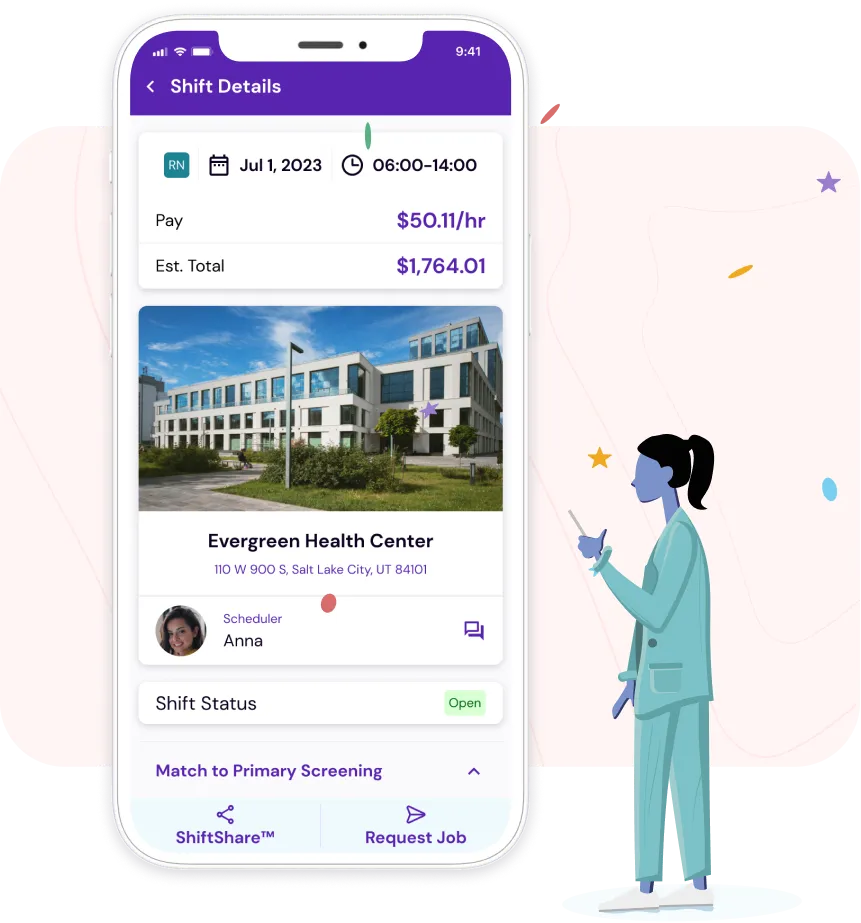
Completed! We will notify you when we have desired shifts for you.
Until then, you can continue with the app to signup or login.
Continue
Until then, you can continue with the app to signup or login.
Oops! Something went wrong while submitting the form.
Popular Topics
Start exploring PRN jobs opportunities here
These quick links are here to streamline your search and discover a range of opportunities tailored to your preferences.
Interested in healthcare shifts?
Apply for Jobs
Pick Up a Job Today
Find per diem PRN job opportunities in your area. High paying CNA, LPN and RN and many more licences are available now.
Join Nursa
Post Your Jobs Today
Facilities who use Nursa fill 3 times as many open per diem shifts, on average, compared to trying to fill the shifts themselves.
Post Jobs