

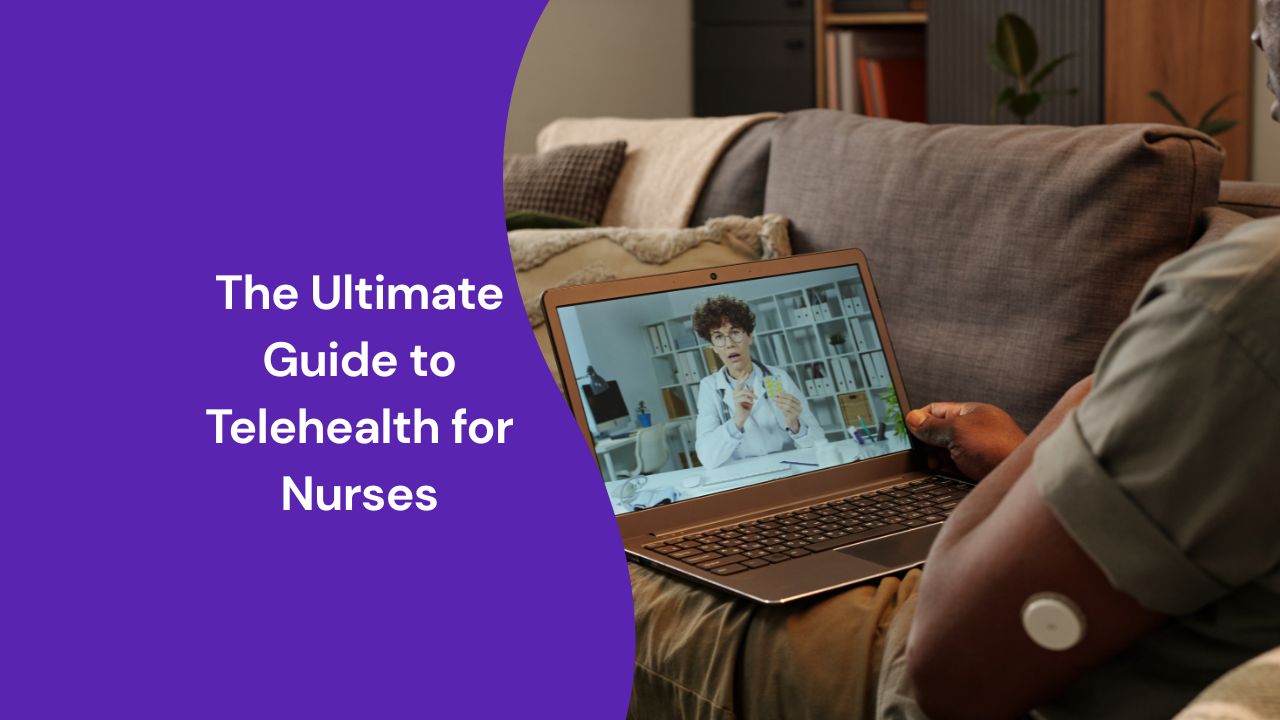
Telehealth had been growing even before the COVID-19 pandemic. However, during the pandemic, telehealth rose from less than 1% of visits to as much as 80% in some areas.
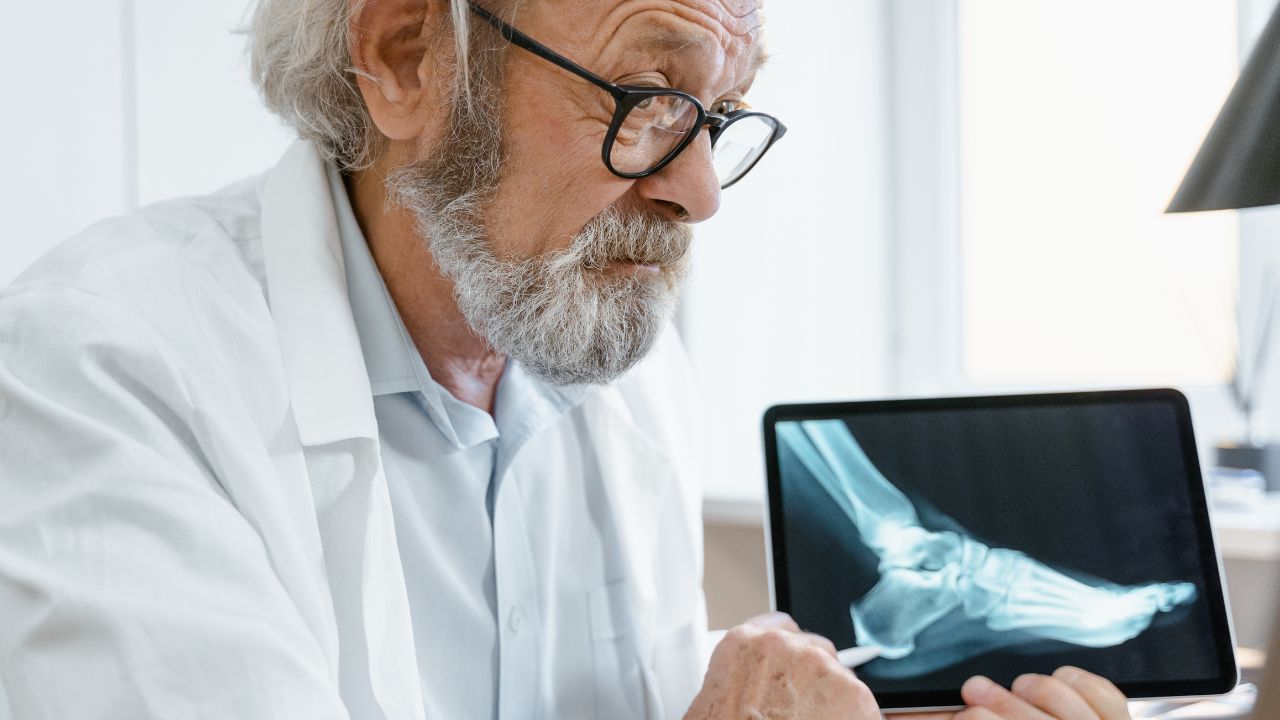
As of 2026, telehealth has matured into a permanent pillar of the healthcare system. Market analysis from 2025 found that the global telehealth market has grown significantly in value, confirming that remote care is no longer an “emergency measure” but a standard of practice.
Are you interested in telemedicine nursing?
This guide to telehealth nursing will help you decide whether this specialty is right for you and cover everything you need to get started.
What does tele stand for?
Tele is not an abbreviation but rather a prefix—meaning distant, at a distance, or over a distance—which, when combined with the words health or medicine, refers to healthcare services offered remotely.
What does telehealth mean in medical terms?
According to the Health Resources and Services Administration (HRSA), the definition of telehealth is “the use of electronic information and telecommunications technologies to support and promote long-distance clinical healthcare, patient and professional health-related education, public health and health administration.”
Telehealth uses technologies such as:
- Telephones and videoconferencing
- Generative AI and ambient listening tools (to automate clinical documentation)
- Remote patient monitoring wearables (collecting real-time heart rate, oxygen, and glucose data)
- Store-and-forward imaging and streaming media
Although often used interchangeably, telehealth and telemedicine have distinct meanings. Telehealth is a broader concept that encompasses non-clinical services, such as administrative meetings and provider training. On the other hand, telemedicine refers specifically to remote clinical services.
Impact of telehealth in nursing
While the shift toward telehealth during the pandemic was “quick and dramatic,” the transition during 2025 to 2026 has been characterized by sophistication and AI integration:
- Hospital-at-home expansion: Nurses now provide acute-level care to patients in their homes using high-fidelity monitoring.
- AI-assisted triage: AI tools now help nurses prioritize patient calls based on the severity of symptoms detected in voice or data patterns.
- Hybrid nursing roles: Many nurses now split their time between the physical bedside and "virtual shifts" to prevent burnout.
Despite numerous advantages, concerns remain about the digital divide, including limited internet access in rural areas and low digital literacy among elderly populations.
How much does a telehealth nurse make? (2026 data)
Salary for telehealth nurses has become increasingly competitive as demand for remote care grows.
According to the U.S. Bureau of Labor Statistics (BLS) 2024-2025 data and 2026 industry trends, the average annual salary for registered nurses is approximately $93,600, though this varies significantly by geographic location and healthcare setting.
The following table exemplifies the variations for registered nurses in different work settings:
Specialized telehealth roles
- Telehealth nurse practitioners (NPs): Average salaries range from $130,295 to $165,094, with Psychiatric Mental Health NPs (PMHNP) often earning at the higher end of the spectrum due to the massive growth in telepsychiatry.
- Tele-ICU / telemetry: High-acuity remote monitoring roles often pay a premium, with experienced nurses earning upwards of $105,000.
What is a telemedicine unit in a hospital?
Approximately 75% of US hospitals use telemedicine. However, it isn’t a physical hospital unit but rather a way of providing healthcare services. The following examples illustrate how telemedicine is provided in the hospital setting:
- Bedside nurses use tablets and smartphones to connect patients to healthcare specialists and family members.
- Telehealth nurses monitor patients in intensive care and telemetry units remotely. From these command centers, nurses also consult with providers and provide management and direction.
- Nurses coordinate discharge management and care coordination through telehealth technologies.
- Care is also provided virtually from the hospital to remote or isolated areas, pop-up clinics, and homes.
Other areas for telehealth nursing
Furthermore, telehealth nursing jobs are not limited to hospitals, and not all are work-from-home positions. Telehealth nurses can work in all the following settings:
- Hospitals
- Ambulatory care settings
- Urgent care centers
- Emergency departments
- Federally Qualified Health Centers (FQHCs)
- Government health systems
- Home health services
- Jails
- Behavioral health facilities
- Long-term care facilities
- Schools
- Specialty clinics or practices
- Skilled nursing facilities
- Military-field settings
- Insurance companies
- Hospice/palliative care settings
- Free clinics
What is the role of a telehealth nurse?
Just as telehealth is not precisely a hospital unit, it is also not a nursing specialty per se, but a way of providing nursing care.
Few nurses working in telehealth have trained formally for this role; instead, most have learned on the job how to use telehealth technologies, such as the following:
- Videoconferencing to communicate with patients
- Remote home monitoring to collect clinical data, such as blood glucose levels and blood pressure
- Patient monitoring peripherals, such as a Bluetooth stethoscope and a high-definition camera, are used to collect and deliver data to healthcare providers
Although telehealth roles are diverse, they can be grouped into 3 main areas: program development and implementation, direct patient and family contact, and nurse-to-healthcare-professional collaboration. That said, a telehealth nurse’s responsibilities may encompass all 3 of these categories.
What does a telehealth nurse do?
Since telehealth nurses can work in many different settings and roles, their duties can vary widely. The following are typical responsibilities of a telemedicine nurse for each category and the roles they may carry out.
1. Program development and implementation
In this area, nurses can work as managers, directors, or coordinators.
Telehealth manager or director
- Manages telehealth activities at the site
- Develops protocols, scheduling templates, and consents; assists in technology selection; determines patient populations for telehealth
- Manages the telehealth program, provides ongoing management, and reviews outcomes with the goal of refining and expanding the program
Telehealth coordinator
- Coordinates telehealth operations and delivery
- Implements telehealth encounters in conjunction with standards, guidelines, policies, and procedures
- Educates providers on the telehealth program
- Identifies telehealth candidates
- Manages inventory and utilization of equipment
- Assures program evaluation
2. Direct patient and family contact
For patient and family contact, telehealth nurses can have multiple roles.
Educator/health coach
- Educates patients synchronously and asynchronously
- Manages medication
- Reviews test results and provides education
- Reviews patient-uploaded data
- Coaches patients on behavioral changes
Triage
- Consults with patients inquiring about the need for an emergency department visit
- Consults with providers to determine appropriate transfer from facilities
Discharge planning/follow-up
- Manage pre- and post-discharge of chronically ill patients or post-operative patients
Telepresenter
- Prepares a patient for a telehealth visit (connection, security, room set up, expectations)
- Uses telephone, videoconferencing, or other web-based technologies
- Manages patients, verifies provider orders and patient consents, and assists patients with participation
Bedside nursing/ICU nurse
- Facilitates rounds with isolated patients
- Facilitates family contact with isolated patients
- Facilitates virtual visits with specialists from the bedside
Remote patient monitoring
- Tracks the patient’s condition at a distance
- Assesses biometric data, such as blood glucose, sent through wearables and home monitoring devices
- Conducts virtual visits with patients
- Manages algorithms to predict care
3. Nurse-to-healthcare-professional collaboration
Nurses can occupy different roles to collaborate with other professionals.
Patient navigator/care coordinator
- Connects the interprofessional team and the patient virtually to navigate care
- Arranges visits via telephone, synchronously or asynchronously
Nurse consultant
- Connects a provider at a point of care to a colleague in another location
- Arranges virtual consults between a nurse expert and a bedside nurse
Care transition coordination
- Coordinates the delivery of care within the practice setting and across healthcare settings through technology
- Coordinates collaboration between providers or settings
Case management
- Arranges virtual access for all the activities that would be done in person, including intake, scheduling, documentation, and payment
- Collaborates with and connects providers and settings
Tele-ICU
- Provides clinical knowledge to nurses covering current and expanded critical care units using technology, virtual rounding, and increased collaboration
Telemetry
- Manages remote patient telemetry monitoring
How to become a telemedicine nurse
Aspiring nurses should first become registered nurses (RNs) via an ADN (2 years) or BSN (4 years). In the current market, 2–3 years of bedside experience is still the gold standard before transitioning to remote roles.
Telemedicine nurse certification
Nurses interested in telemedicine or already working in this area may wish to pursue additional nursing certifications to feel more confident in the care they provide and gain a competitive edge in the nursing job market.
Although not accredited by the Board for Specialty Nursing Certification (ABSNC) or the National Commission for Certifying Agencies (NCCA), many universities are offering online telehealth courses for healthcare providers.
The following are some of the certification options currently available:
- The Wehrheim School of Nursing at Millersville University offers an online telehealth certificate course open to all majors and guest students.
- The Christine E. Lynn College of Nursing at Florida Atlantic University offers another online telehealth certificate course, which can be completed in as little as 4 weeks.
- Texas State University has a 6-week online Telehealth Certificate Training.
- Penn Nursing at the University of Pennsylvania offers a self-paced telehealth online course available for all healthcare providers.
- The University of Arizona College of Nursing offers the Rural Telehealth Certificate Program (RTCP).
Additionally, the American Academy of Ambulatory Care Nursing (AAACN) offers an ambulatory care nursing certification exam that includes telehealth nursing content. Therefore, nurses interested in telehealth should also consider this certification.
What is telehealth nursing like?
Telehealth nursing can vary widely from one job to the next, as telehealth nurses work in many settings and roles.
Nevertheless, the following experiences of telehealth nurses on Reddit can help illustrate what this nursing specialty is like:
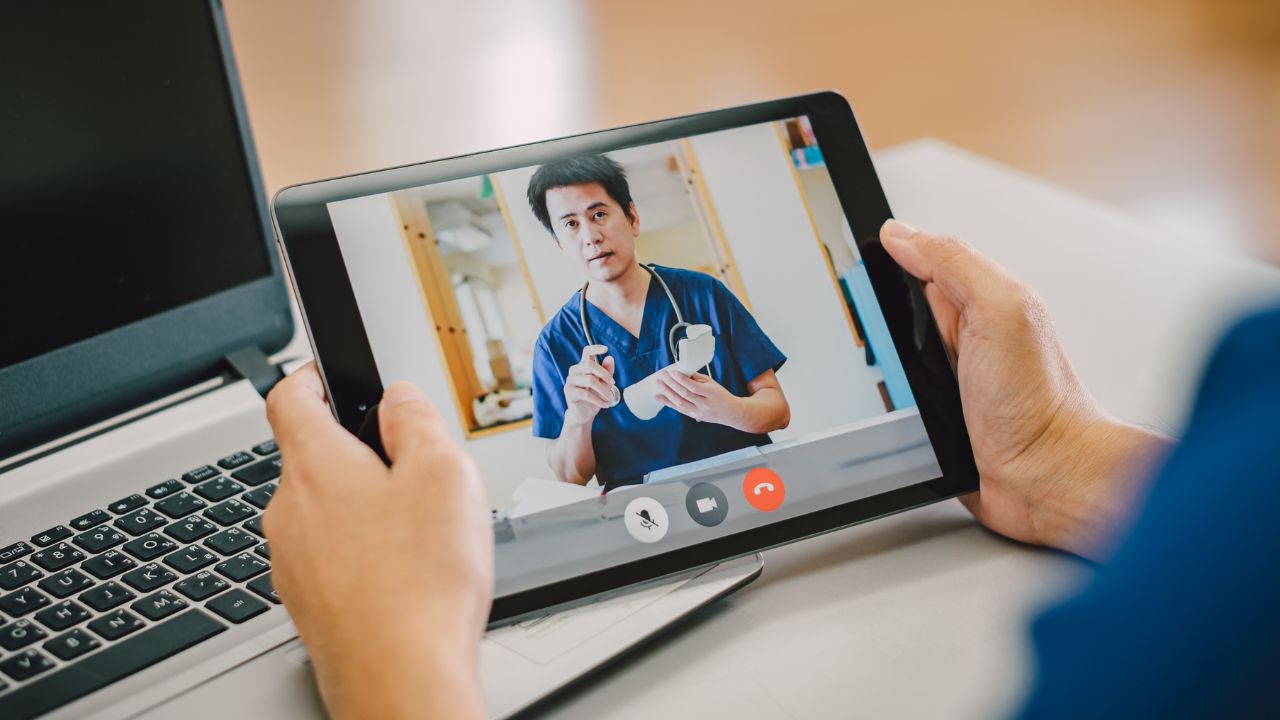
“I work in a clinic so we share charge/triage duties on a rotating schedule. I’ll be triage couple times a month 8 hour shifts and I personally love it but it’s also not my entire all the time job. Some calls are basic lab results/orders requests but a lot of calls are assessing symptoms and figuring out root cause, proper treatment needed, advice, etc. I have learned a ton as our triage. It’s like a mini puzzle each call and I like figuring out what is actually going on and offering as much assistance as I can before reaching out to the doc.” – Reddit user aliv78
“Mostly chart reviews. I work acute care/inpatient reviewing. So essentially I get a daily census of hospitals I cover, and when people are “due” or there are new admissions, we review their chart with something called MCG criteria to see if they meet for inpatient level of care…I’m much more sedentary, but it’s a step in the right direction. At the very least I can jam out to music or put a movie/show on while I’m grinding out stuff, so it has its perks. There are still days where I’m grinding nonstop, but those are MUCH less than when I was doing patient care, which is was every day grinding...” – Reddit user IndecisiveTuna
Is telehealth nursing hard?
As is the case with all nursing specialties, telehealth nursing has its challenges and disadvantages. However, many of these challenges are drastically different than those of other specialties. The following testimonials of telehealth nurses on Reddit help us understand what makes telehealth nursing hard:
“I did it for a year during covid. My biggest problems would be that I was overbooked constantly (10-13 people an hour sometimes). But more draining would be trying to get an 80 year old to download and use google duo…their dogs barking which sounds like a jet engine in your ear, their tv blaring. You get it…I would do it again if it were like insurance triage or health coaching. Regular, routine care? Hard pass from me” – Reddit user klassy_logan
“I don't get as much exercise as I used to- not on my feet working any more.” – Reddit user TeleRN
Why choose telehealth nursing?
Despite challenges, telehealth nursing certainly has its advantages. How does an uninterrupted hour-long lunch break sound? Let’s take a look at why these telehealth nurses on Reddit choose to stay at their jobs:
“I’m a Care Manager at an MCO. I get paid decently, there’s yearly bonuses, caseloads are fairly manageable so far. Extensive training. Overall kind of a boring job but great. We’re 100% remote, many managers including mine allow 4 10 hour days but I choose to do 5 8s to allow myself time in the evenings, and I just really love being off at 4:30. I get 18 days of PTO, 11 paid holidays and even sick days. I take an hour uninterrupted lunch and if I step away from my computer for a few minutes no one is watching me or anything. Overall I like it so far and would never go back to the bedside after this.” – Reddit user newnanny16
“I'm a remote nurse for an insurance company. Do I love my job? not really. It's not a bad gig or anything, but I don't feel a passion for it. It is very low stress, zero critical thinking is involved, and nobody dies if I make a mistake. It's nice because I can focus on my side hustle and homeschool my kiddo during my downtime. I'm salaried and have a list of patients each day that I must contact. That takes about 3 hours of my day and the rest of the time I'm just hanging by my computer, available to any patients that call in, but usually only about 4 -6 inbound calls per day…I miss bedside sometimes, but I was beyond burnt out before I took thus job.” – Reddit user MagazineActual
5 Tips for a good telehealth nurse
- Eye contact with the camera: Look into the lens, not the screen image, to build trust.
- Webside manner: Wear professional scrubs or a white coat to maintain a clinical atmosphere.
- Manage interruption: Use noise-canceling headsets to block out home noises (pets, family).
- Data literacy: Be prepared to explain “wearable data” to patients in simple terms.
- Security: Never use public Wi-Fi; always ensure a HIPAA-compliant, private connection.
Final thoughts on telehealth nursing
Do you think you have the right personality profile for telehealth nursing?
Would you like to work on your own at home?
Do you prefer sitting at a computer, talking on the phone, or walking from patient room to patient room and back again?
There is no right or wrong answer, just as there is no good or bad nursing specialty.
Ultimately, only you can decide which nursing career path is ideal for you.
Telehealth nursing offers uninterrupted lunch breaks, reduced physical strain, and the ability to help patients from anywhere. As the "hospital-at-home" model continues to grow through 2026 and beyond, this career path offers some of the best stability and flexibility in the nursing profession.
Would you like to learn about other nursing specialties?
You can browse our other ultimate guides to nursing specialties here.
Sources:


