The hematology/oncology service line is one of the most complex and rapidly advancing areas in modern medicine. For healthcare managers, understanding this specialty—from its advanced diagnostic techniques and new immunotherapies to the critical role of specialized multidisciplinary teams—is essential for effective staffing and operational oversight.
This comprehensive guide provides a complete overview of the scope, services, and best practices in modern hematology/oncology care.
The field of hematology/oncology: A complete guide
Hematology/oncology—where blood and cancer care meet. This phrase captures the essence of a medical specialty that is both profoundly complex and critically important. The field of hematology/oncology is a specialized branch of internal medicine that combines two distinct but closely related disciplines:
- Hematology: The study of blood
- Oncology: The study of cancer
Professionals in this field diagnose, treat, and manage a wide range of conditions, from benign blood disorders to life-threatening malignancies.
This specialty is a cornerstone of modern medicine. The combination of these two fields is logical and necessary. Many cancers, known as hematologic malignancies, are blood-based, including leukemia and lymphoma.
Furthermore, many cancer treatments profoundly affect the blood and bone marrow, and the bloodstream is a primary pathway for cancer to spread. This requires a specialist who understands both cancer biology and the intricate workings of the blood.
What is hematology/oncology, and why is it important?
At its core, hematology/oncology is the specialty focused on diseases of the blood, blood-forming tissues, and the comprehensive management of cancer.
- Hematology addresses non-cancerous (benign) blood disorders, such as anemia or clotting problems.
- Oncology addresses the diagnosis, staging, and treatment of all types of cancer, including solid tumors.
The importance of hematology/oncology in modern healthcare is immense. Blood is a unique organ system that circulates throughout the entire body, delivering oxygen and nutrients while playing a central role in the immune system and clotting. Issues in the blood can have far-reaching consequences throughout the body.
This specialty is responsible for managing these complex diseases, many of which were once considered untreatable. It is also a frontier of medical innovation, driving some of the most significant breakthroughs in patient treatment.
Hematology/oncology services and overview
The scope of hematology/oncology services is broad, extending from outpatient clinics to large academic medical centers. These services are designed to provide a complete continuum of care, from initial diagnosis to treatment and long-term survivorship.
Services in this specialty include:
- Sophisticated diagnostic testing
- Development of personalized treatment plans
- Administration of therapies
- Management of treatment side effects
- Supportive care
Patients may receive care in specialized infusion centers for chemotherapy, inpatient hospital units for intensive treatment, or in dedicated community cancer centers.
What disease types are served?
The patients served in hematology/oncology range from individuals with chronic, manageable conditions to those facing acute, critical illnesses. This specialty manages two primary categories of disease, as well as solid tumors, which are often co-managed by surgical and radiation oncologists.
- Hematologic malignancies (blood cancers): This group includes cancers that originate in the blood-forming tissues or cells of the immune system.
- Benign hematologic disorders (non-cancerous): This group encompasses diseases in which blood production or function is abnormal, but not cancerous.
- Solid tumors: This group includes solid tumors, such as breast, lung, colon, and prostate cancer.
Hematologist-oncologists design and oversee the systemic treatments for solid tumors (chemotherapy, immunotherapy, targeted therapy) for these conditions.
A closer look at hematologic cancers
A key part of this field is understanding hematologic cancers. Unlike solid tumors, these malignancies are often "liquid tumors." They circulate in the blood or live within the bone marrow and lymphatic system, meaning they are often widespread at diagnosis and are not typically treated with surgery.
The approach to blood cancer types and treatments is highly specific to the disease.
Leukemias
Leukemias are cancers specifically in the white blood cells. They are broadly classified by their speed of growth (acute or chronic) and the type of cell involved (lymphocytic or myelogenous).
- Acute Myeloid Leukemia (AML): A fast-growing cancer of myeloid cells that crowds out normal bone marrow
- Acute Lymphoblastic Leukemia (ALL): A fast-growing cancer of lymphocytes, most common in children but also affecting adults
- Chronic Myeloid Leukemia (CML): A slow-growing cancer known for a specific genetic change (the Philadelphia chromosome), which is now highly treatable with targeted drugs
- Chronic Lymphocytic Leukemia (CLL): A slow-growing cancer of lymphocytes, often diagnosed in older adults, which may be monitored for years before treatment is needed
Lymphomas
Lymphomas are cancers of the lymphatic system, a crucial component of the immune system. The two main types are distinguished under a microscope.
- Hodgkin Lymphoma: The presence of large, abnormal cells called Reed-Sternberg cells; often diagnosed in younger adults and has a very high cure rate
- Non-Hodgkin Lymphoma (NHL): Broader category of lymphoma that includes all subtypes, ranging from very slow-growing (indolent) to very aggressive
Multiple myeloma
Multiple myeloma is a cancer of the plasma cells. These cells are a type of white blood cell in the bone marrow that produces antibodies. The cancerous plasma cells produce abnormal proteins, leading to bone damage, kidney problems, a weakened immune system, and low blood counts.
A closer look at benign blood disorders
A large part of a hematologist's practice is devoted to non-cancerous conditions. These disorders can be chronic or acute and include:
- Anemias: Conditions characterized by a low number of red blood cells or low hemoglobin; includes iron-deficiency anemia, vitamin B12 deficiency, sickle cell disease, and thalassemia
- Clotting disorders (Thrombophilia): Conditions where the blood clots too easily, leading to deep vein thrombosis (DVT) or pulmonary embolism (PE)
- Bleeding disorders (Coagulopathy): Conditions where the blood does not clot properly, such as hemophilia and von Willebrand disease
- Bone marrow failure syndromes: Disorders like aplastic anemia or myelodysplastic syndromes (MDS), where the bone marrow does not produce enough healthy blood cells
The role of the hematologist-oncologist
The central figure in this specialty is the hematologist-oncologist. These physicians are experts in the complex interplay between blood diseases and cancer, acting as a patient's primary guide and care coordinator.
Who are hematologist-oncologists?
A hematologist-oncologist is a medical doctor (MD or DO) who has completed a rigorous and lengthy training path. After medical school, they complete a three-year residency in internal medicine. Following residency, they must complete a specialized fellowship, typically lasting 3 years, that provides in-depth training in both hematology and medical oncology. They are then eligible for board certification in both subspecialties.
This dual certification is critical. It allows them to understand, for example, how a cancer treatment might cause a blood-clotting problem and how to manage both issues simultaneously.
Core responsibilities and the care team
The role of a hematologist-oncologist is multifaceted. They act as the primary diagnostician, the "captain" of the treatment team, and long-term care provider for their patients.
Their responsibilities include:
- Diagnosis: Ordering and interpreting complex tests to accurately identify a disease
- Staging: Determining the extent of a cancer, which is critical for planning treatment
- Treatment planning: Developing a comprehensive and personalized therapy strategy based on national guidelines, the patient's specific disease, and their personal health goals
- Oversight: Managing the administration of systemic treatments, such as chemotherapy or immunotherapy, and monitoring the patient's response and side effects
- Coordination: Working closely with surgeons, radiation oncologists, pathologists, and other specialists
- Long-term management: Providing follow-up care (survivorship care) to monitor for disease recurrence or long-term side effects of treatment
What does a care team do?
Care in this field is rarely delivered by one person. Instead, it relies on a multidisciplinary team. The hematology/oncology professional practice is, by nature, collaborative. The hematology/oncology care teams bring together a group of professionals to provide whole-person care.
This team often includes:
- Oncology nurses: These are highly skilled nurses with specialized training. Oncology nurses administer treatments, educate patients about their condition and side effects, and provide critical frontline monitoring and support.
- Oncology pharmacists: These experts specialize in cancer-related medications. They prepare chemotherapy, verify dosing, check for drug interactions, and counsel patients on their medications.
- Social workers and case managers: These professionals help patients and their families navigate the immense logistical, financial, and emotional challenges associated with a diagnosis. They connect patients with resources for transportation, lodging, insurance, and emotional support.
- Patient navigators: These professionals guide a patient through every step of the complex healthcare system, from the first diagnostic test to the final follow-up appointment.
- Research coordinators: If a patient is in a clinical trial, these coordinators manage the study protocol, ensure data is collected accurately, and serve as a key point of contact.
- Support staff: These allied professionals provide supportive therapies across the continuum of care. Registered dietitians help manage nutrition and weight changes, physical therapists maintain mobility and strength, and palliative care specialists support symptom management and comfort.
This high level of specialization is why oncology is often listed among the highest-paying nurse specialties.
Treatments and therapy options
The therapeutic landscape in hematology/oncology is one of the most rapidly evolving in all of medicine. Treatments are designed to target the disease at a cellular and molecular level, moving increasingly toward personalized medicine.
What are the main treatments available?
A wide array of hematology/oncology treatments is available, often used in combination. The specific plan depends on the disease, its stage, its genetic markers, and the patient's goals. Core treatment modalities include the following:
Chemotherapy
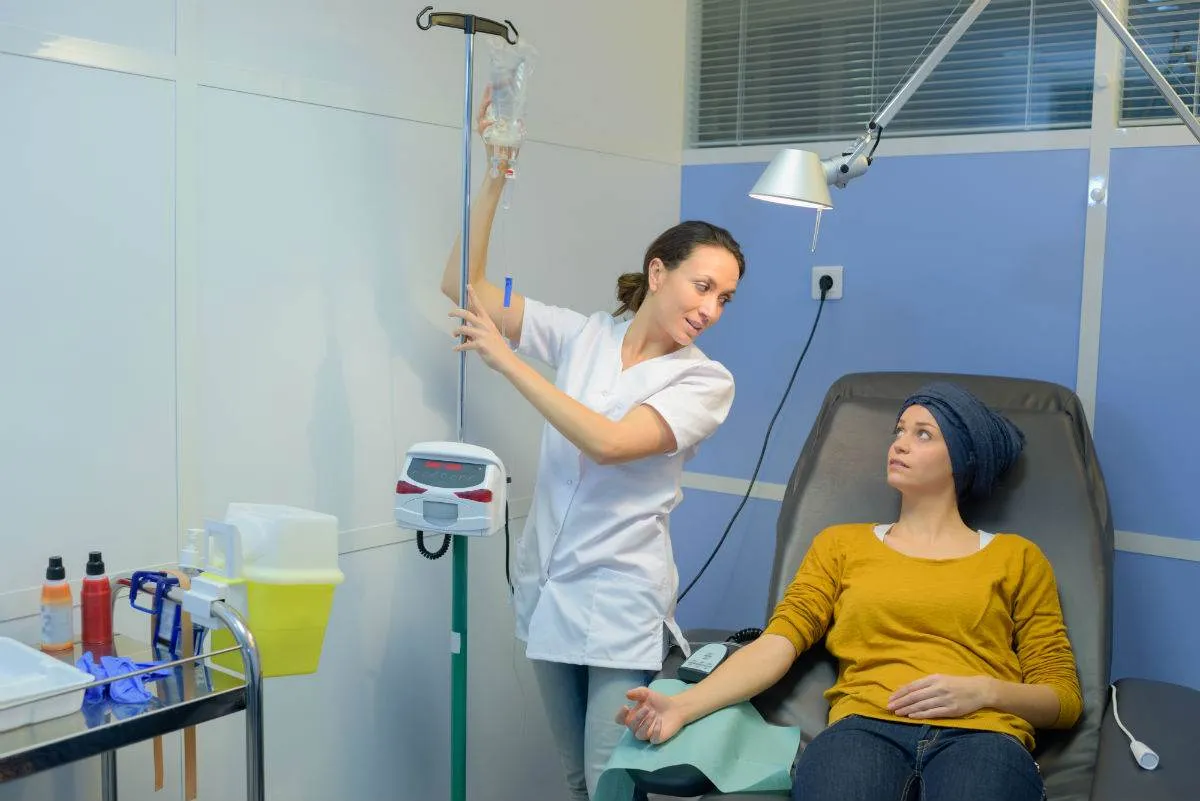
This uses cytotoxic drugs to kill rapidly dividing cells. It remains a foundational treatment for many types of cancer. It can be administered intravenously in an infusion center or taken orally as a pill. Skilled nurses are crucial for managing these chemotherapy infusion appointments safely.
Radiation therapy
This uses high-energy beams (like X-rays) to destroy cancer cells in a specific, localized area. It is often used for lymphomas or to relieve pain from cancer that has spread to the bone.
Immunotherapy
This is a revolutionary class of treatments that activates the patient's own immune system to find and destroy cancer cells. Checkpoint inhibitors, for example, "take the brakes off" the immune system. CAR-T cell therapy is a "living drug" in which a patient's own T-cells are engineered in a laboratory to target and kill their cancer.
Targeted therapy
These are drugs or other substances that precisely identify and attack specific molecules that drive cancer cell growth. The classic example is Imatinib (Gleevec) for CML, which turns a fatal leukemia into a manageable chronic condition for many. These therapies often have fewer side effects than chemotherapy.
Bone marrow transplant
This procedure replaces a patient's diseased bone marrow with healthy stem cells:
- Autologous transplant: The patient's own stem cells are collected, stored, and then reinfused after high-dose chemotherapy.
- Allogeneic transplant: The patient receives a stem cell transplant from a healthy, matching donor.
Managing benign blood disorders
It is essential to remember that not all treatments are specifically designed for cancer. The management of blood disorders treatment is a large part of this specialty.
For anemia, treatment might involve iron supplements, vitamin B12 injections, or blood transfusions. For clotting disorders like hemophilia, it involves infusions of the missing clotting factor. For thrombotic disorders, anticoagulant medications (blood thinners) are used to prevent dangerous clots. For sickle cell disease, new drugs are available that can reduce the frequency of painful crises.
Best practices for patient care
Beyond primary treatment, hematology/oncology patient care focuses intensely on managing the whole person. This is where best practices in nursing and supportive care become vital.
This includes proactive symptom management for side effects like nausea, fatigue, and pain. It also involves supportive therapies, such as blood transfusions to treat anemia or medications to boost low white blood cell counts and prevent infection.
Effective nursing interventions are critical for managing treatment side effects and improving quality of life. The list of hematology/oncology therapy options is constantly growing, providing more personalized and effective choices for patients.
Diagnostic techniques and procedures
The field utilizes some of the most advanced diagnostic tools available in medicine to not only identify the disease but also to understand its unique biological signature.
What diagnostic techniques are central?
The diagnostic process almost always begins with a simple blood test, but can quickly move to highly specialized procedures.
Laboratory tests
The foundational diagnostic techniques in hematology involve analyzing the blood itself.
- Complete blood count (CBC) with differential: This test measures the quantity of red blood cells, white blood cells, and platelets. The "differential" breaks down the different types of white blood cells, which can offer the first clue to an infection or leukemia.
- Peripheral blood smear: A technician or pathologist examines a blood sample under a microscope to visually assess the shape, size, and appearance of the blood cells. This can reveal misshapen cells (like in sickle cell anemia) or immature "blast" cells (in acute leukemia).
- Flow cytometry: A sophisticated technique that uses lasers to sort and identify cells based on specific protein markers on their surface. This is essential for accurately classifying leukemias and lymphomas into their many subtypes.
- Coagulation tests: These tests, such as PT/INR and aPTT, measure the blood's ability to form a clot.
Specialized procedures and imaging
When blood tests are abnormal or a mass is suspected, other procedures are required.
- Bone marrow biopsy and aspiration: Removing liquid marrow and a small core of solid marrow (usually from the hip) to evaluate blood cell production and confirm diagnoses such as leukemia, multiple myeloma, or marrow failure syndromes
- Lymph node biopsy: Removing part or all of an enlarged lymph node for pathologic review to diagnose lymphoma
- Imaging studies (CT, PET, MRI): Producing detailed internal images to identify tumors, lymph node enlargement, metabolic “hot spots,” or soft tissue involvement
- Cytogenetics and molecular testing: Analyzing DNA and chromosomes to detect mutations, gene fusions, or deletions that support diagnosis, risk stratification, and targeted therapy selection
Many patients are first admitted to a hospital for these symptoms or procedures, often landing on a medical-surgical floor where nurses coordinate their initial diagnostic workup.
Advancements, research, and trials
If there is one defining feature of hematology/oncology, it is the remarkable pace of innovation. Research in this field is not just an academic exercise; it is directly and immediately translated into new patient therapies.
How does research drive improvements?
Ongoing hematology/oncology research is the engine that powers the specialty. This research spans from basic science in a lab—discovering how a specific gene causes cancer—to large-scale international studies comparing new treatments against old ones.
The advancements in hematology/oncology have been stunning. Chronic myeloid leukemia (CML), once a fatal disease, is now managed with a daily pill for many patients, thanks to the development of targeted therapies.
Aggressive lymphomas and multiple myeloma have seen survival rates climb due to new immunotherapies and other novel agents. This progress is built on a "bench-to-bedside" model, where laboratory discoveries are rapidly moved into clinical testing.
This progress is only possible because of clinical trials.
How do clinical trials shape practice?
Hematology/oncology clinical trials are formal research studies designed to test the safety and effectiveness of new medical treatments in patients. They are the final and most important step in developing a new therapy.
- Phase I trials: Test the safety of a new drug. These are typically small trials, focused on determining a safe dose and monitoring for potential side effects.
- Phase II trials: Test the effectiveness of the drug against a specific disease.
- Phase III trials: These are large, randomized trials that determine whether the new treatment is more effective than existing treatments.
- Phase IV trials: These trials occur after a drug is approved, monitoring its long-term safety and effectiveness in the general population.
For patients, participating in a clinical trial may offer access to a cutting-edge therapy that is not yet widely available. For doctors, the results of these trials define the new standards of care. Every standard treatment used today was once tested in a clinical trial.
Patient care and treatment goals
Due to the serious nature of the diseases it treats, hematology/oncology places a profound emphasis on patient-centered care, effective communication, and quality of life.
What makes this patient care unique?
Care in this specialty is often unique because it involves long-term, deep relationships between the patient, their family, and the care team. Patients with chronic blood disorders or those in remission from cancer may see their hematologist-oncologist for years or even decades.
This care is also characterized by its intensity. Treatments can be physically and emotionally demanding, requiring a high level of support from the care team to manage side effects, provide education, and offer psychosocial support. It requires managing complex emotions, from the shock of diagnosis to the anxieties of survivorship.
Due to the rise in cancer patients and survivors, it is also one of the most in-demand nursing specialties.
What are the goals of treatment?
A central part of patient care is setting clear expectations. The hematology/oncology treatment goals are established through shared decision-making between the doctor, the care team, and the patient. These goals can vary significantly.
- Curative intent: For many cancers, such as certain leukemias, lymphomas, and early-stage solid tumors, the primary goal is a cure—to eradicate the disease completely and permanently.
- Control: For other conditions, like chronic leukemias or multiple myeloma, the disease may not be curable but is highly treatable. The goal here is to control the disease, manage symptoms, and maintain a high quality of life, similar to managing a chronic condition like diabetes.
- Palliation: When a disease is advanced and a cure or long-term control is not possible, the goal shifts entirely to palliation. This means focusing on relieving symptoms, such as pain or shortness of breath, maximizing comfort, and ensuring the best possible quality of life.
Palliative care, survivorship, and rehabilitation
Palliative care is a crucial component of oncology. It is not the same as hospice. Palliative care is specialized medical care that focuses on providing relief from the symptoms and stress of a serious illness, while also supporting the patient and their family. It can and should be provided simultaneously with curative or controlling treatments.
When curative treatment is no longer effective or desired, the focus may shift entirely to hospice, which provides compassionate end-of-life care.
Even after successful treatment ends, care continues. "Survivorship" care focuses on monitoring for recurrence, managing long-term side effects of treatment, and helping patients regain their strength and sense of normalcy.
This often involves collaboration with a rehabilitation team, to help patients recover from the physical toll of treatment.
Hematology/oncology best practices
To ensure the best and safest outcomes, the field is guided by strict protocols, national guidelines, and a commitment to evidence-based medicine.
What are best practices?
Hematology/oncology best practices are standards of care that have been proven effective through rigorous scientific research. Physicians and nurses follow detailed guidelines published by organizations such as the American Society of Clinical Oncology (ASCO) and the National Comprehensive Cancer Network (NCCN).
These best practices govern every aspect of care:
- Evidence-based protocols: Ensure that every patient receives a treatment plan that is backed by the strongest scientific evidence for their specific disease, stage, and molecular profile.
- Medication safety: Double-checks by pharmacists and nurses, careful patient identification, and strict handling protocols are paramount.
- Infection control: Many patients become immunocompromised (have a weakened immune system) during treatment. Strict infection control practices are essential to protect them.
- Multidisciplinary integration: In these meetings, all the specialists involved in a patient's care—pathologists, radiologists, surgeons, and hematologist-oncologists—meet to review complex cases and agree on a unified plan.
- Psychosocial support: Screening patients for emotional distress is a "sixth vital sign" and includes a clear process to connect them with social work and psychology services.
The complexity of these best practices requires a highly trained workforce. Nurses in this field often have advanced nursing credentials to manage these complex patients.
FAQs about hematology/oncology
This section provides answers to some of the most common questions about the specialty.
What are common blood and cancer conditions treated?
The most common conditions include blood cancers (such as leukemia, lymphoma, and multiple myeloma), solid tumors (like breast, lung, and colon cancer), and benign blood disorders (such as anemia, sickle cell disease, and clotting or bleeding disorders like hemophilia and deep vein thrombosis).
How do you know when to see this specialist?
Most patients are referred to a hematologist-oncologist by their primary care provider. A referral is typically made due to abnormal blood tests (such as low platelets, high white blood cells, or anemia), a lump or mass, or unexplained "B symptoms," which can include drenching night sweats, persistent fevers, and significant unintentional weight loss.
What does hematology/oncology treatment involve?
Treatment is highly personalized. Cancer treatment in hematology/oncology may involve:
- Chemotherapy
- Immunotherapy
- Targeted therapy
- Stem cell transplant
For blood disorders, treatment may involve blood transfusions, iron supplements, clotting factor replacement, or anticoagulant medications.
Why are clinical trials important?
Clinical trials are the driving force behind medical progress. They are the only way to safely test and approve new, potentially life-saving treatments. Every standard therapy used today was first proven effective in a clinical trial.
What is the future for this specialty?
The future is focused on even greater personalization. This includes "liquid biopsies" (blood tests that can detect cancer DNA), the development of more immunotherapies, the creation of mRNA vaccines to treat cancer, and the use of artificial intelligence to analyze pathology slides and predict treatment responses.
The future of hematology/oncology
The field of hematology/oncology stands at the intersection of complex science and compassionate patient care. It is a specialty that manages some of the most serious human diseases, yet it is also a field defined by rapid progress and profound optimism.
From diagnosing a common iron deficiency to administering gene-altering CAR-T cell therapy, the specialty encompasses a vast range of care. It relies on the deep expertise of the hematologist-oncologist, the collaborative power of a multidisciplinary team, and the courage of patients who participate in research.
The specialty's impact extends beyond the clinic, with professionals participating in public health initiatives, such as Breast Cancer Awareness Month, to promote early detection and screening.
As research continues to unlock the secrets of our blood and the mechanisms of cancer, hematology/oncology will continue to lead the way in turning scientific discovery into new standards of care and new hope for patients.